

The Small Fruit Behind a Warm Spice Legacy
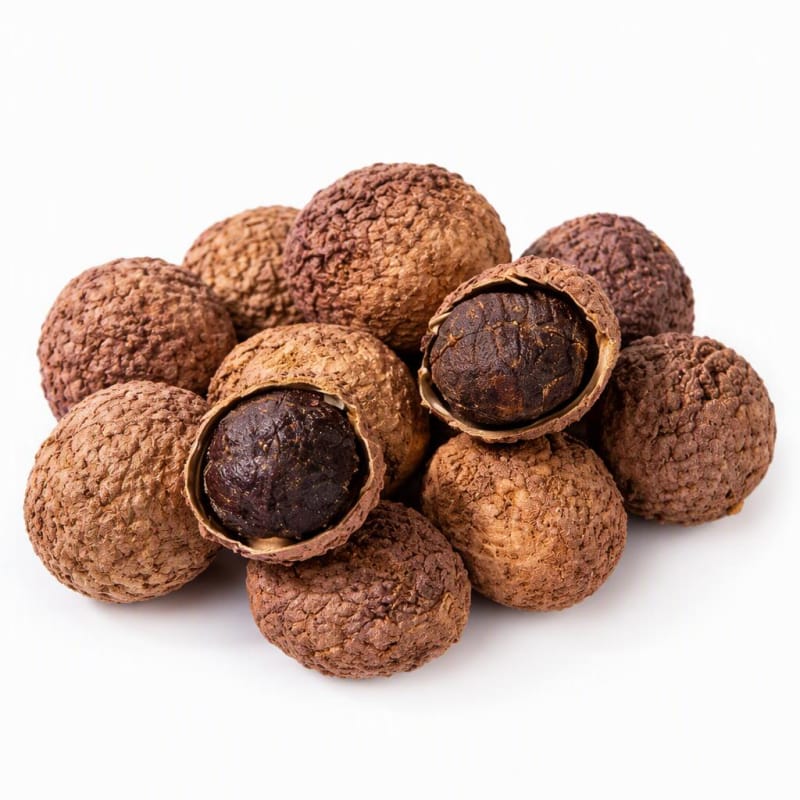
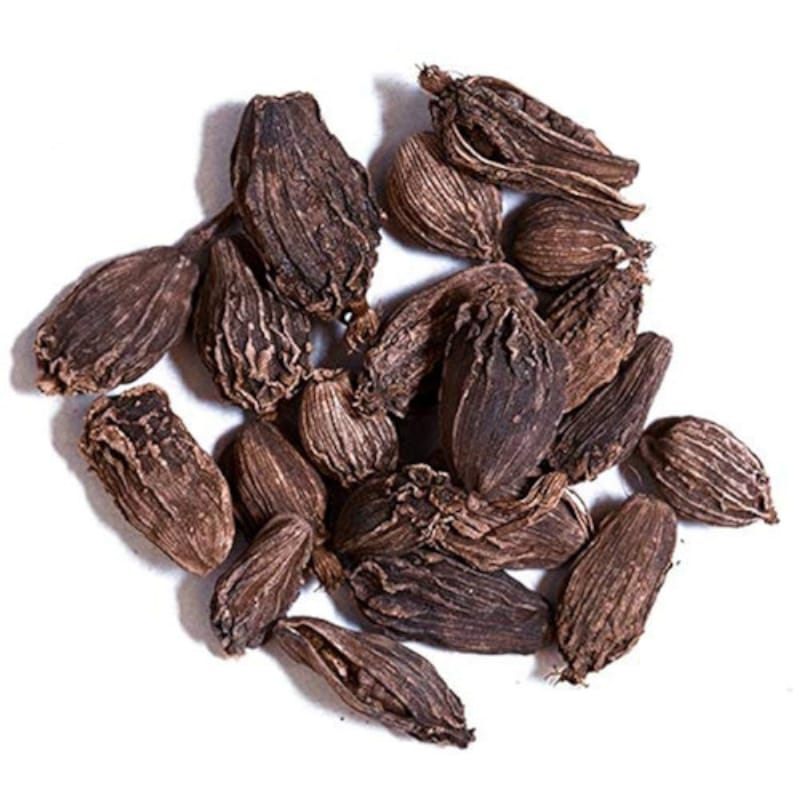
Sha ren, the dried fruit of Amomum villosum, is the quieter cousin of cardamom and one of the most respected botanicals in Chinese kitchens and herbal rooms. Crack a wrinkled pod and you meet a camphor-cool, resinous perfume with a sweet ginger warmth underneath, closer to black cardamom than to the bright citrus of green cardamom.
Ever noticed how the same fruit appears in braised pork, congee and herbal formulas at once? That dual life, seasoning and medicine, is exactly why sha ren earns a dedicated line in spice export catalogs.
A Market Shared with Cardamom and Its Oil
Sha ren belongs to the same ginger family as cardamom, and the global demand for the whole group is climbing steadily. Food, beverage, aroma and herbal-extract buyers all draw from the same amomum family of spices.
| Segment / report | Base value | Forecast | Growth |
|---|---|---|---|
| Global cardamom market — Cognitive Market Research | USD 1,649.65 M (2021) | USD 3,556.04 M (2033) | 6.6% CAGR |
| Cardamom seed oil — Statifacts | USD 550 M (2025) | USD 1.1 B (2035) | 7.2% CAGR |
| Cardamom oil — Emergen Research | USD 142.3 M (2024) | USD 231.7 M (2034) | 6.3% CAGR |
| Warm beverages market — industry outlook | — | USD 96.2 B (2030) | 5.3% CAGR |
Yangchun Heritage, Yunnan Volume
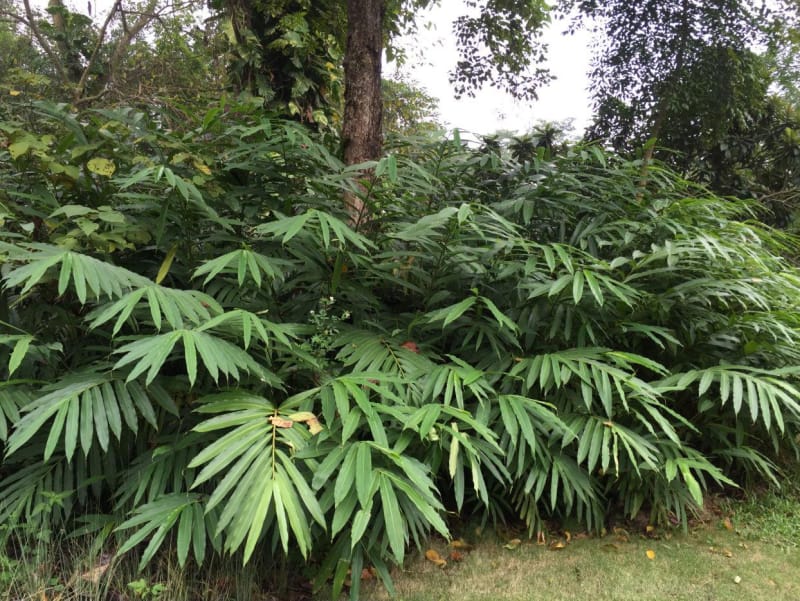
The name says it all: Yangchun, in Guangdong, is the original dao-di growing area with more than 1,300 years of cultivation history, a national geographical-indication product and one of the "Three Treasures of Guangdong". Yet Yunnan grows the bulk of China's sha ren, with Guangxi as the third production pillar.
| Growing area / indicator | Figure | Source |
|---|---|---|
| Yunnan planting area, 2020 | 455,000 mu | Digital Chinese Medicine, 2023 |
| Xishuangbanna planting area, 2022 | 204,500 mu | Xishuangbanna government, 2023 |
| Xishuangbanna dried fruit output, 2022 | 5,558.5 t | Xishuangbanna government, 2023 |
| Xishuangbanna agricultural value, 2022 | RMB 444 M | Xishuangbanna government, 2023 |
| Yangchun planting area, 2024 | 95,100 mu | Yangjiang government, 2025 |
| Yangchun fresh fruit output, 2024 | 3,631 t | Yangjiang government, 2025 |
| Yangchun output value, 2024 | RMB 1.438 B | Yangjiang government, 2025 |
Grown Below the Canopy, Picked by Hand
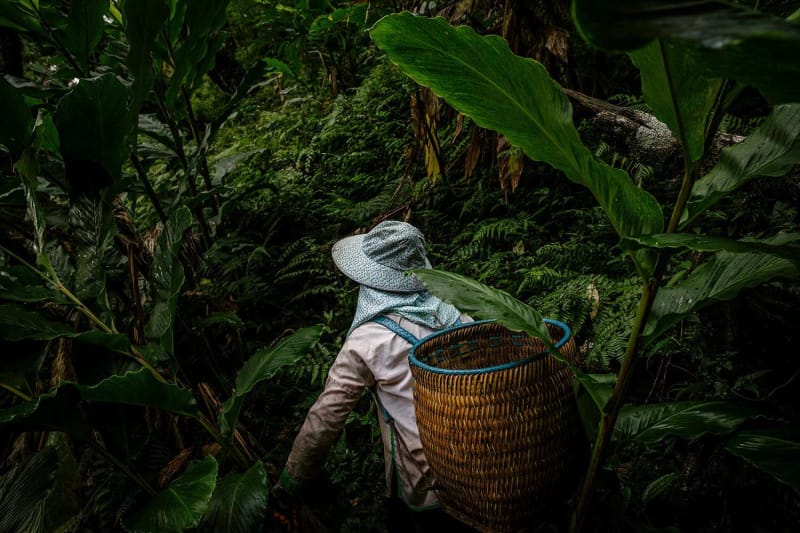
Sha ren is a perennial ginger-family herb that asks for shade, humidity and still air, which is why it thrives under the forest canopy and beside streams. In Yunnan, farmers grow it between rubber trees, harvesting the spice as an understory crop without clearing the forest.
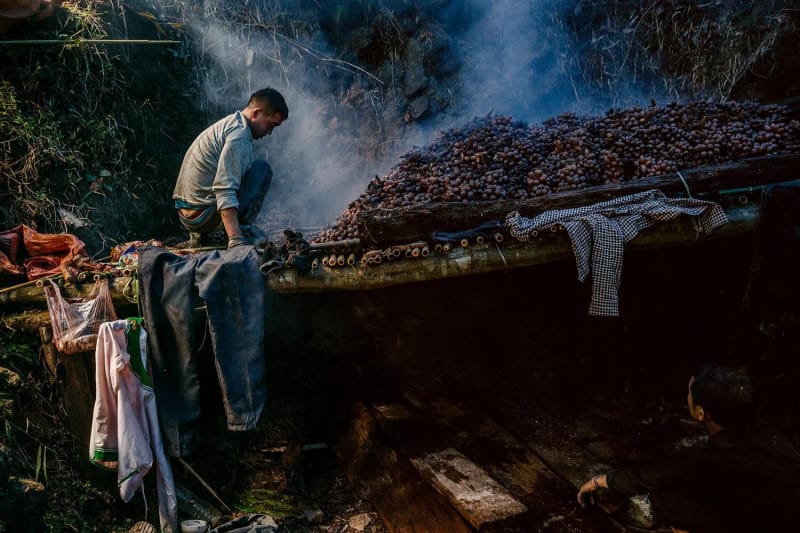
The fruit is picked by hand when it is nine-tenths ripe, then scalded to stop enzyme activity before it is dried, because the aroma lives in the volatile oil and the whole chain is judged on how little of it is lost.
Yulin Fuda Consolidates the Sha Ren Trade
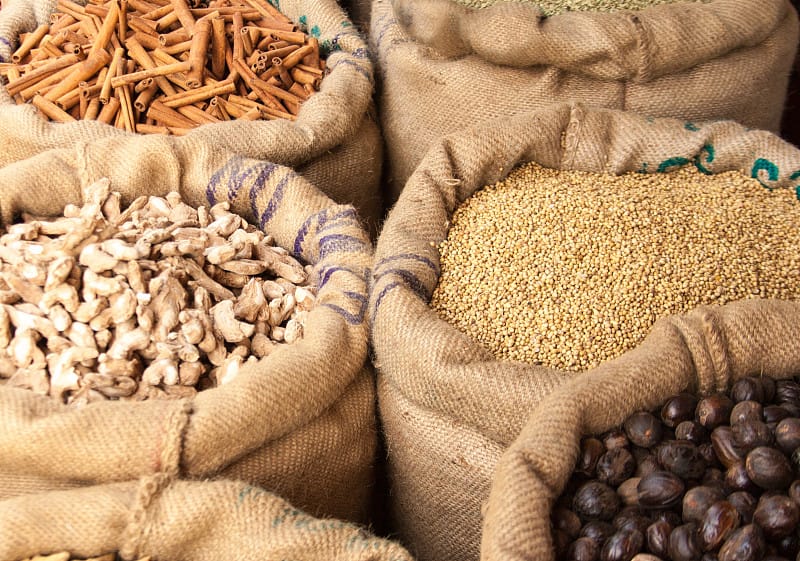
Dried sha ren from Yunnan, Guangdong and Guangxi flows into Yulin Fuda International Spice Logistics Port, the trading center of China's spice industry. The market handles more than 160 spice varieties, hosts over 700 merchants, and recorded RMB 33.5 billion in transactions in 2025, a third straight year above RMB 30 billion.
Chinese state media reports that about 80% of the country's traded spices and more than two-thirds of the world's circulating spices pass through Yulin, which is why a single desk at the port can consolidate sha ren from three provinces into one export lot.
The Herbal Side of the Same Fruit
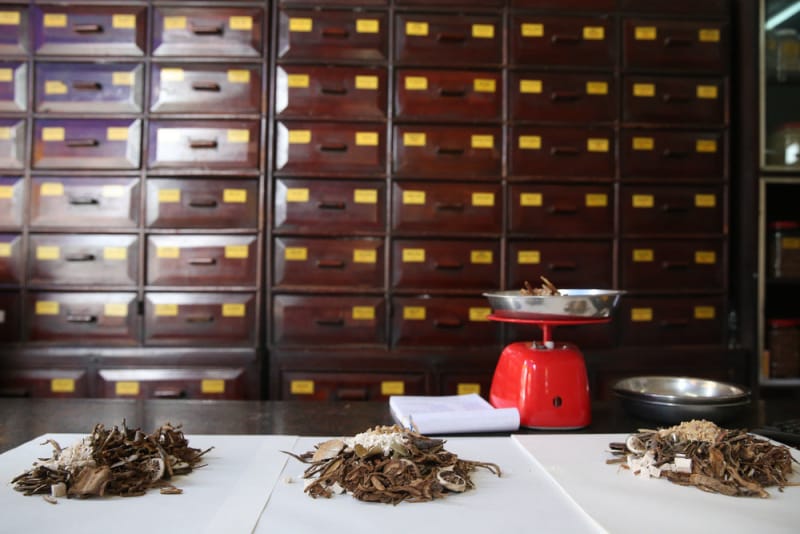
In Chinese herbal practice, sha ren is the classic herb for moving stagnant qi and warming the stomach, appearing in formulas for digestion, nausea and dampness. It is sold whole in herbal shops and processed into powders and granules for functional products.
Our honest read after years in this trade: sha ren buyers fall into two camps, kitchens and herbal brands, and they rarely share specifications. Knowing which camp your customer sits in changes the grade, the moisture target and the documentation we prepare, so we always ask before quoting.
In the Steamer, the Pot and the Bowl
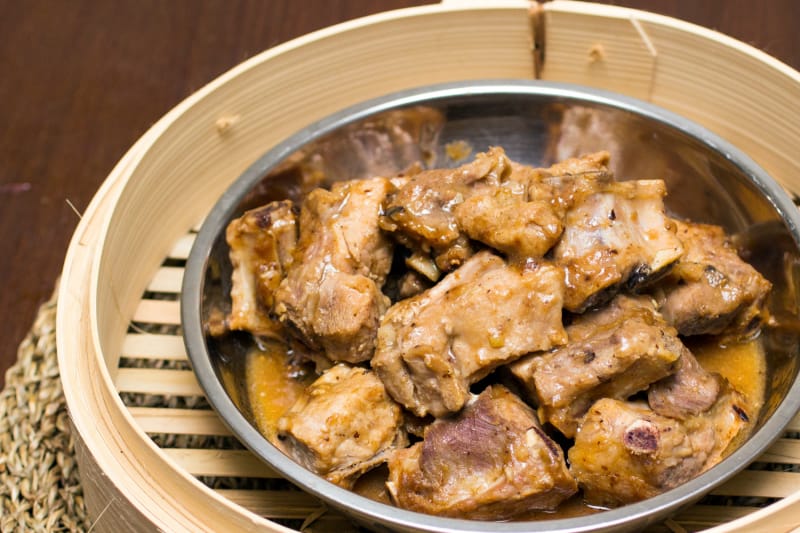
Whole sha ren pods are crushed and tucked into steamed pork ribs, braised duck, pho-style broths and slow congee, where the fruit releases its cool warmth without overwhelming the dish. It is the quiet spice that makes rich food easier to finish.
Taste a rib that has steamed with a cracked pod and you feel it immediately: a cooling, resinous tingle that cleans the palate and a ginger sweetness that lingers just long enough to ask for another bite.
Extraction, Oil and the Flavor Chain
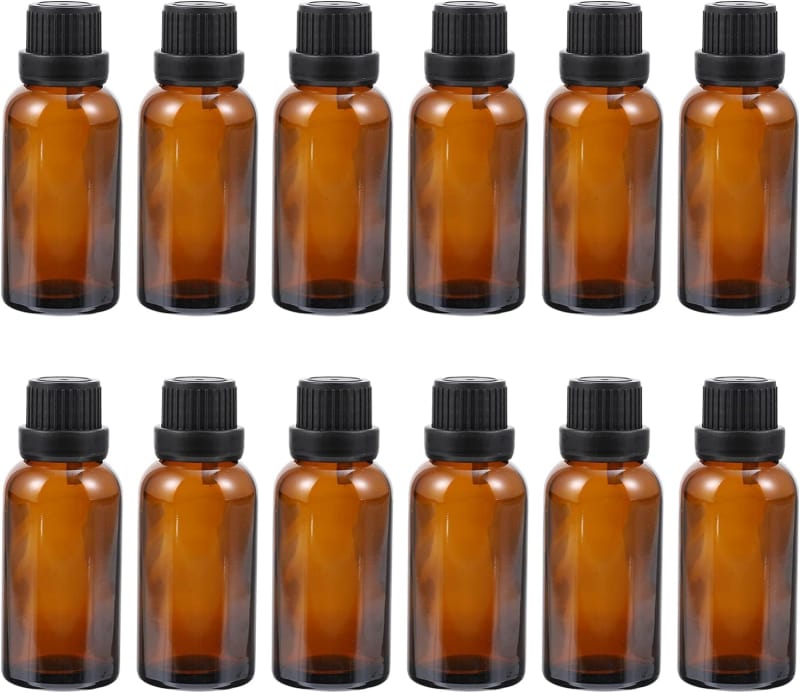
Beyond whole fruit, sha ren is steam-distilled for its volatile oil and processed into extract powders for seasoning blends, functional foods and traditional-medicine products. The same family-level demand that lifts cardamom oil supports a parallel market for amomum oils and extracts.
Buyers who plan ahead lock annual volume with growers at harvest, because dried sha ren carries aroma best in the first crop year, and allocation discipline beats spot buying when the season is short.
Grades, Specs and the Points That Matter
Sha ren is traded whole or slightly cracked, graded by fruit size and uniformity, color, seed content, moisture and volatile-oil content. Whole-pod buyers check for stem, foreign matter, mold and crop-year freshness, while extract buyers care most about oil yield and pesticide residue.
Tell spicesmfr your form, grade and volume, and we quote against a written spec with a certificate of analysis on every lot, so the aroma you approved on the sample is the aroma you get in the container.
Packing That Protects the Oil
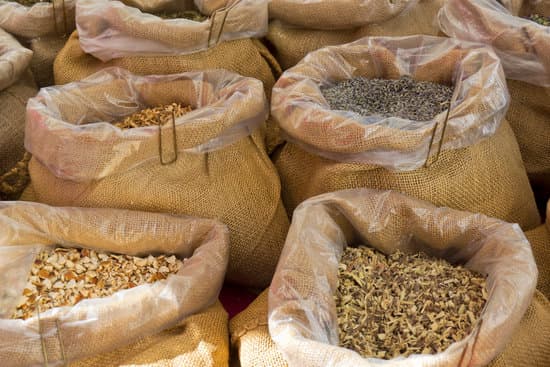
Dried sha ren ships in woven poly bags with inner liners for retail programs, and in 20 to 25 kg cartons or sacks for bulk, always kept out of direct light and heat so the volatile oil stays intact through the voyage.
We can also pack under private label with your artwork, or blend grades to hit a target spec for your blend, which is where a supplier with a warehouse at Yulin Fuda saves you weeks.
Sourcing Sha Ren That Ships on Spec
Work with spicesmfr and you get the whole chain from one desk: direct sourcing from Guangdong, Yunnan and Guangxi, cleaning and grading, consolidation at Yulin Fuda, and export documentation on every shipment. Samples go out before you commit, and pricing holds for the season.
The fastest way to start is a 500-gram sample set: whole fruits, cracked pods and ground powder with a spec sheet side by side. Compare the aroma against your current source, then send us your target volume and port, and we will handle the rest.
Request Sha Ren Samples and Spec Sheets
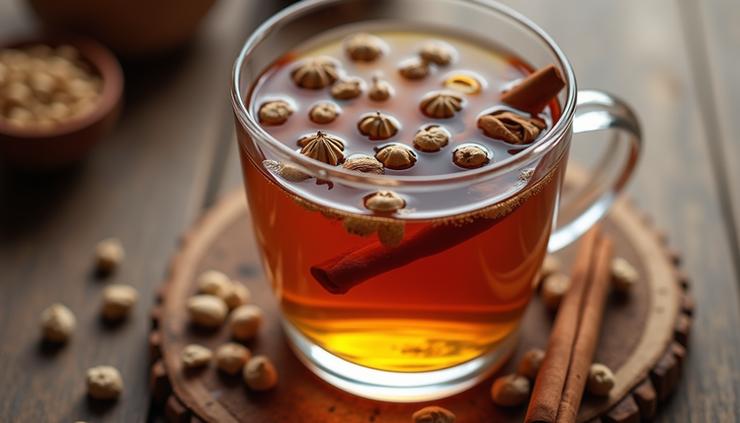
Whole fruits, cracked pods and powder with COA and traceability docs. Tell us your form, spec and volume, and we will respond with samples and a landed-cost estimate.
Leave a Comment