

A Star-Shaped Spice With Serious Supply
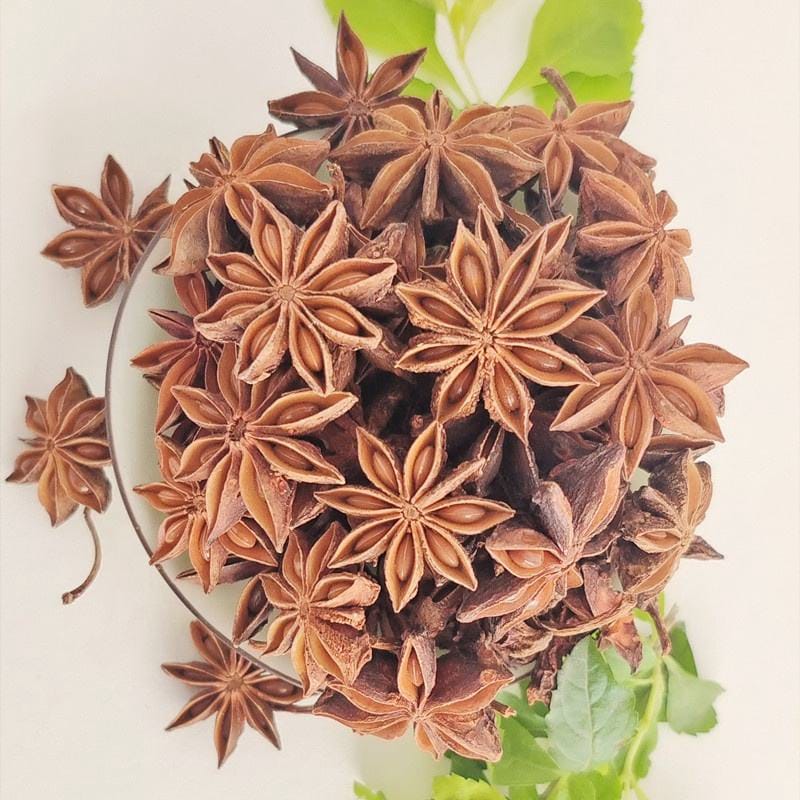
Star anise is the dried fruit of Illicium verum, a tree native to southern China and northern Vietnam. Each pod splits into eight pointed carpels that curl into a star, and inside sits a single glossy seed. The whole fruit is what most buyers picture, but powder and oil now move just as much volume in export trade.
In our own export experience, star anise behaves like a bridge crop: it anchors five-spice blends for food makers, flavors braises for restaurant groups, and feeds pharmaceutical extraction lines at the same time. Few spices carry that many demand channels at once.
Guangxi Grows Most of the World's Supply
Production is highly concentrated. A peer-reviewed study on star anise plantations notes that Guangxi's yield accounts for about 80% of world output and more than 85% of China's total each year, while a 2024 Scientific Reports paper credits China with roughly 70% of the global market share. Within China, Guangxi's planting area of about 365,500 hectares represents 77.3% of the national total, according to a 2025 Chinese environmental science paper.
For an importer, this concentration is an advantage: nearly every sourcing path leads back to the same region, which means grades, drying practices and export documentation are more uniform than in fragmented crops.
| Production indicator | Figure | Source |
|---|---|---|
| Guangxi share of world output | ~ 80% per year | PMC paper, 2022 |
| Guangxi share of China output | > 85% | PMC paper, 2022 |
| China share of global market | ~ 70% | Scientific Reports, 2024 |
| Guangxi planting area | 365,500 ha (77.3% of national) | China Env. Science, 2025 |
Share of world star anise output attributed to Guangxi. Data: PMC plantation study, 2022.
Hand-Picked From Trees Over Five Meters Tall
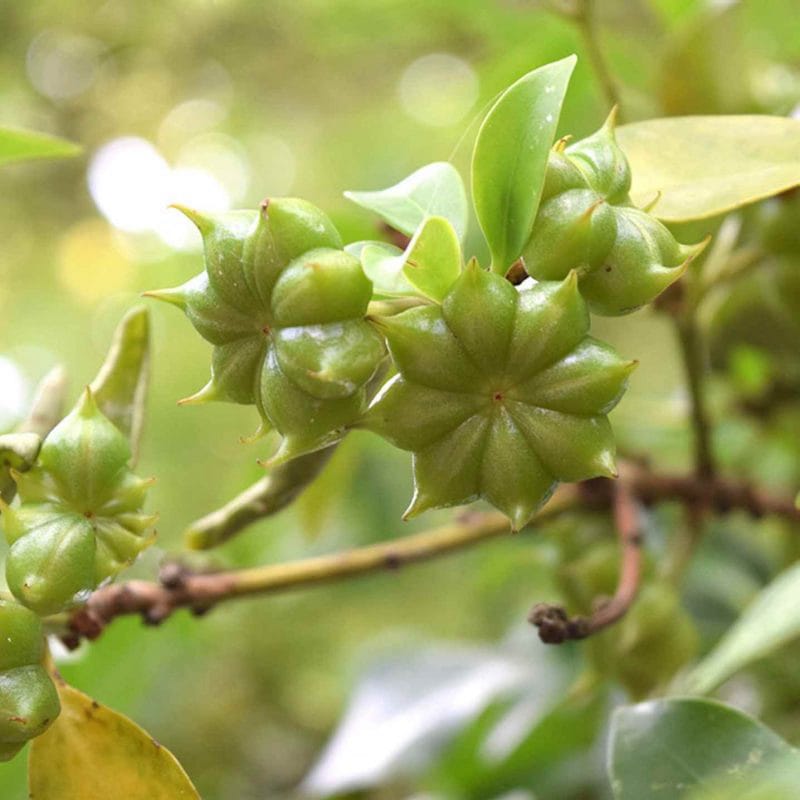
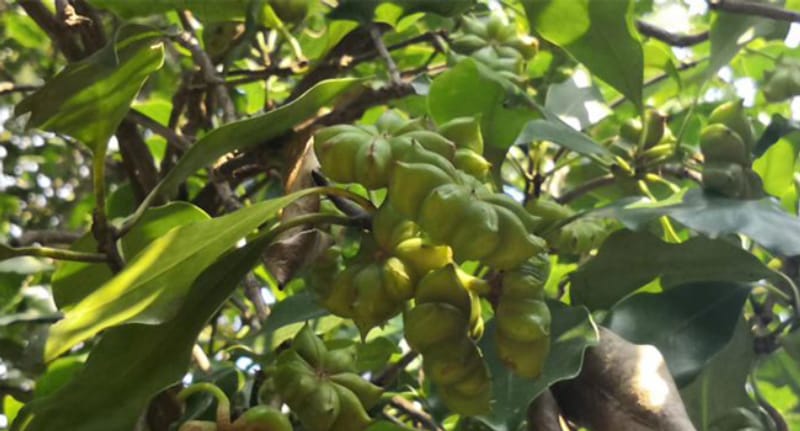
Star anise trees grow slowly and tall, often exceeding five meters, which makes harvest genuinely difficult work. Pickers climb the trees, snap off clusters of green fruit, and lower them down in baskets. Fruit is taken when the skin shifts from green to a pale yellow-green, before it opens on the branch.
Because the trees take years to reach bearing age and yields alternate between large and small seasons, forward contracts with orchard regions matter. A supplier that holds its own picking teams and drying yards can smooth those swings for buyers instead of passing them along.
Dried Whole or Ground to Your Spec
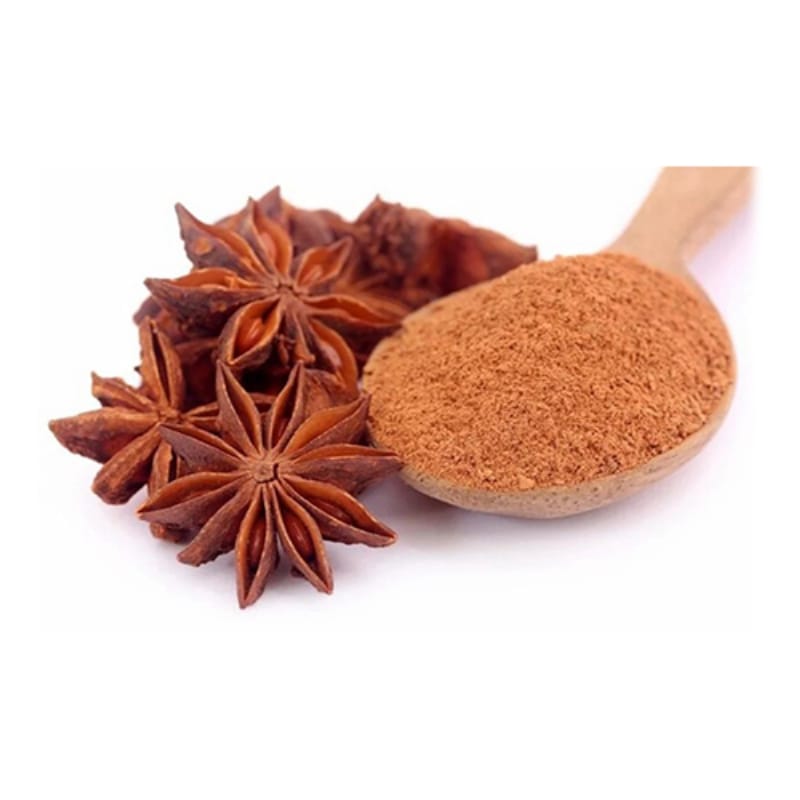
After harvest the fruit is blanched or steamed briefly, then sun-dried until the pods harden into the familiar brown stars. Whole pods keep the aroma locked in and are preferred for tea, mulled drinks and display packs; ground star anise releases flavor fast and suits seasoning blends and marinades.
Grading runs on size, color and intactness: deep reddish-brown pods with eight full points and low broken content command the premium lines. Powder is milled to mesh specs such as 20-40, and both forms are tested for moisture, sulfur and foreign matter before export.
Yulin Fuda Moves Two-Thirds of Global Spices
Most of the harvest routes to Yulin Fuda International Spice Logistics Port in Guangxi, the trading center of China's spice industry. The market handles more than 160 spice varieties, houses over 700 merchants, and recorded RMB 33.5 billion in transactions in 2025, its third consecutive year above RMB 30 billion.
Chinese state media reports that about 80% of the country's traded spices and more than two-thirds of the world's circulating spices pass through Yulin. Buying at a hub of this scale lets an importer compare grades, inspect lots and consolidate containers in one trip.
The Backbone of Five-Spice Blends
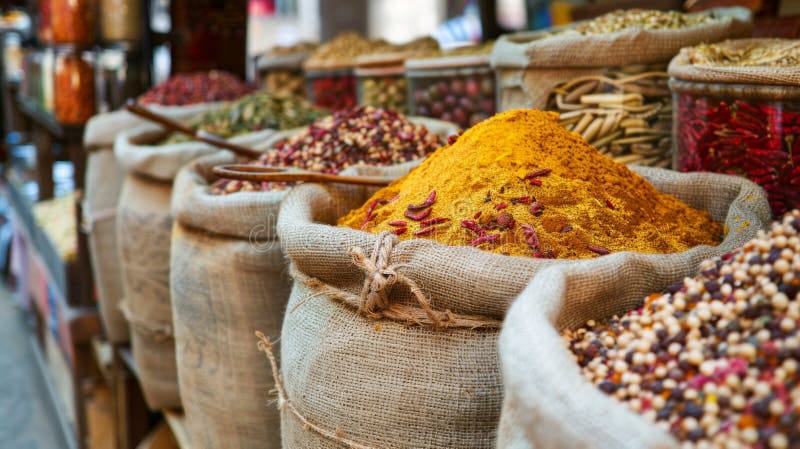
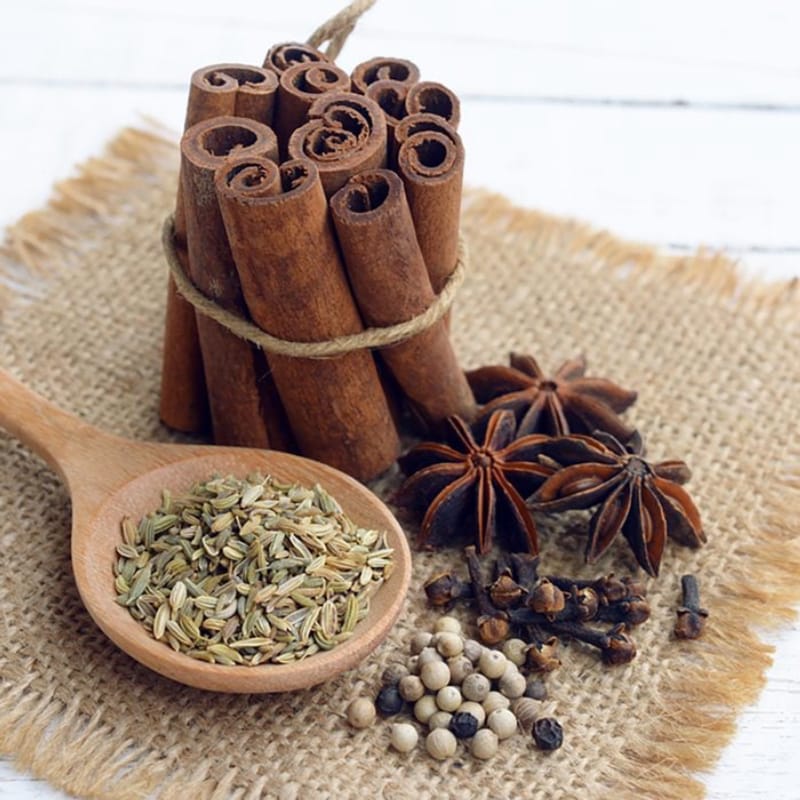
Star anise is one of the five pillars of Chinese five-spice powder, alongside cinnamon, cloves, fennel seed and Sichuan peppercorn. Western formulators now buy it in bulk for proprietary blends, dry rubs and seasoning mixes, where its licorice-sweet profile balances heat and salt without dominating the mix.
In our kitchen tests, the whole pod holds up far better than powder in long simmers; powder shines in fast-cook applications. That split drives two distinct product lines, and buyers often need both.
Braising, Soups, and the Long Simmer
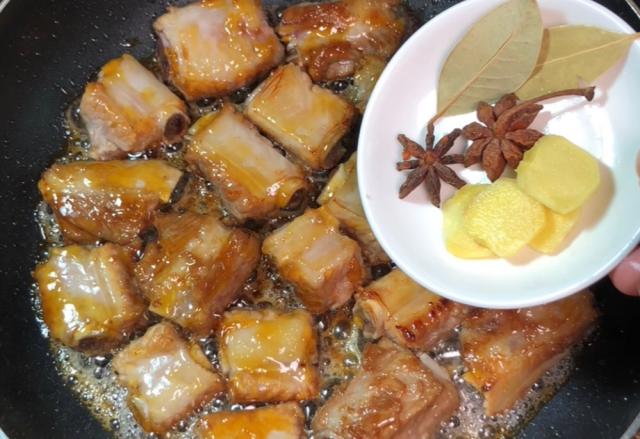
No Chinese kitchen pantry is complete without a jar of star anise near the stove. It goes into red-braised pork, soy-braised chicken and slow soups, where the pods simmer for an hour or more and the licorice warmth melts into the broth. Add two or three pods and the difference is unmistakable.
Stand over the pot and the steam carries a sweet anise scent with a resinous, almost woody depth. The taste is the quiet part of the dish: gentle, sweet and cooling on the tongue, rounding out salt and soy without shouting. That balance is why braising remains its most loyal use across Cantonese and northern kitchens alike.
Winter Baking and Mulled Drinks
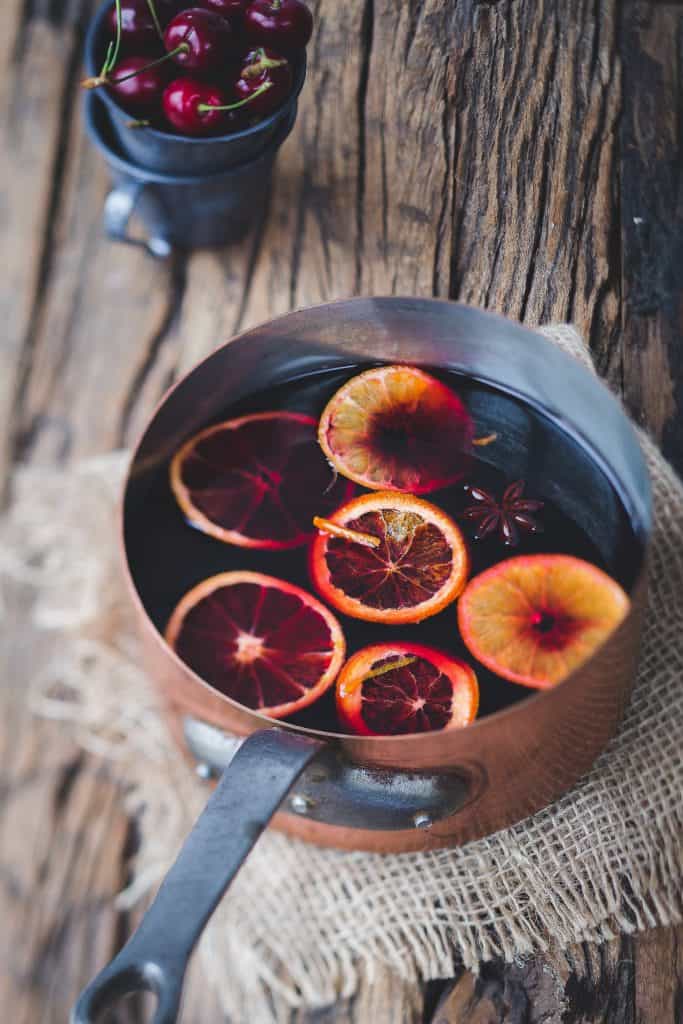
Outside Asia, star anise is a winter spice. It floats in mulled wine with orange peel and cinnamon, spices holiday cookies and spice cakes, and even appears in rye bread in Northern European baking. One or two stars are enough to perfume a whole pot, which makes it a low-cost addition to seasonal product lines.
The aroma in a warm mug is unmistakable: caramelized licorice with a hint of clove and warm citrus. For beverage brands launching seasonal SKUs, star anise delivers exactly the festive flavor profile that consumers associate with the holidays.
Star Anise Oil and Distilled Value
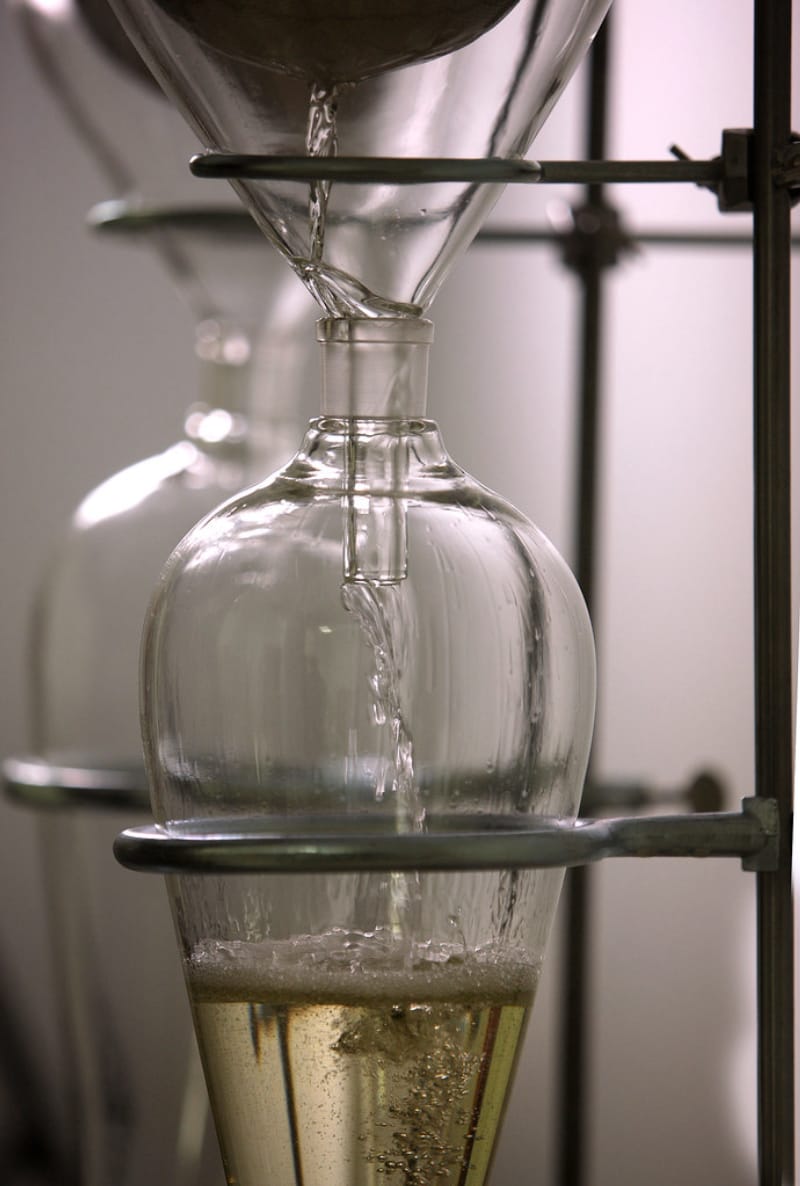
Steam distillation of star anise yields an essential oil rich in trans-anethole, the compound behind its signature flavor. The oil is used in chewing gum, confectionery, liqueurs and toothpaste, and it concentrates easily in export value versus raw pods. Growth Market Reports sizes the global star anise oil market at USD 116.3 million in 2025, projected to reach about USD 217 million by 2034 at a 7.1% CAGR.
For buyers, the oil line is a natural second SKU: the same crop that supplies whole pods can supply the distillery, so a single supplier relationship covers both raw material and value-added product.
| Market | 2025 | Forecast | Source |
|---|---|---|---|
| Star anise oil | USD 116.3M | ~ USD 217M by 2034 (7.1% CAGR) | Growth Market Reports |
| Shikimic acid (conservative) | USD 38M | USD 60M by 2034 (5.2% CAGR) | Intel Market Research |
| Shikimic acid (broader) | USD 412.3M | USD 651.8M by 2033 (6.8% CAGR) | Dataintelo |

Shikimic Acid, the Pharma Connection
Star anise is the traditional commercial source of shikimic acid, the starting material used to synthesize oseltamivir, the antiviral better known as Tamiflu. When influenza outbreaks spiked demand, star anise prices followed, and pharmaceutical buyers learned to lock supply well ahead of flu season.
That dual identity as food spice and pharma feedstock gives the crop a resilience few spices match: food demand keeps the base market firm, while health-driven spikes add upside. For suppliers, it means keeping extract-grade material traceable and tested, because pharma buyers audit every lot.
Stock, Packing, and Shipping That Holds Flavor
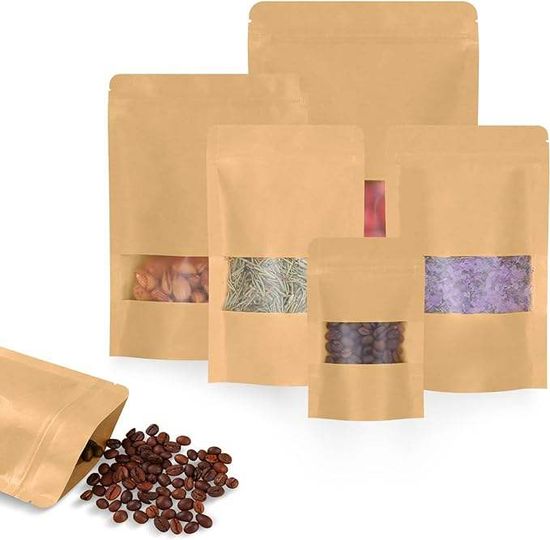
Whole star anise ships in 10 kg or 20 kg kraft bags with food-grade liners, or in 25 kg woven sacks for powder, palletized for 20- and 40-foot containers. Because the oil is volatile, warehouses hold stock in cool, dry zones and rotate inventory by crop year so buyers always receive pods with full aroma.
Lead times are predictable: dried whole pods are available year-round from stored inventory, with the freshest new-crop volume landing after the autumn harvest. Reserve a quarterly allocation and you avoid the price swings that come with flu-season spikes or short harvests.

Buying Star Anise That Matches Your Spec
Start with samples, not a price quote. Send spicesmfr your target form, size and moisture spec, and we will ship whole pods, ground powder and oil samples with certificates of analysis covering moisture, sulfur, heavy metals and purity. Once the spec is locked, we can hold allocation, blend to your formula and pack to your retail or foodservice format.
After years in this trade, our honest view is that star anise rewards buyers who respect the season. The grades are learnable, the paperwork is routine, and the crop is dependable when sourced through the right hub. That is exactly the role we fill, so your team can stay focused on formulation and sales.
Request Samples and Spec Sheets
Whole pods, ground powder, and distilled oil with COA and traceability docs. Tell us your target grade and volume, and we will respond with samples and a landed-cost estimate.
Leave a Comment