

A Star Shaped Spice With Two Careers
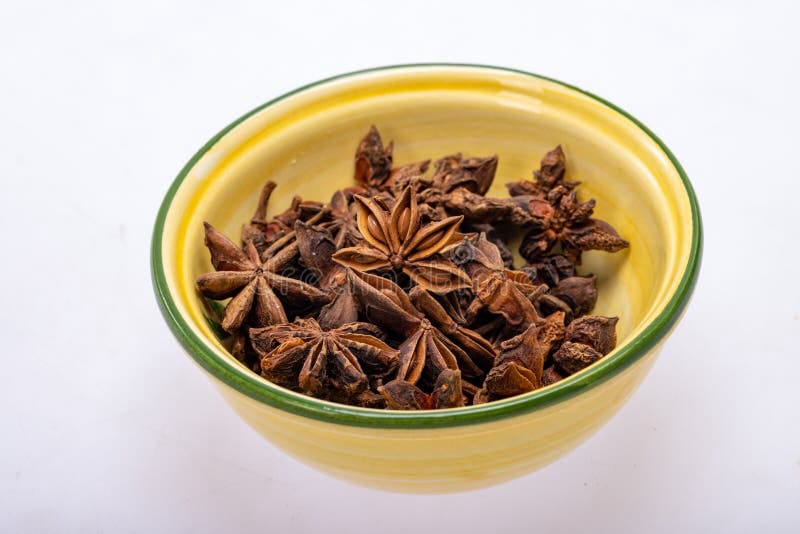
Star anise, or badian as the trade knows it, is the eight pointed fruit of Illicium verum, and it is one of the few spices that works in two completely different markets at once. Drop it into a braising pot and it gives meat stock that sweet, anise-like warmth. Feed it to an extraction line and it yields shikimic acid, the molecule behind antiviral drug precursors.
Hold a whole fruit to your nose and the licorice note is unmistakable, warm and camphor-tinged, with a faint peppery finish. My own view after years around spice desks is that star anise is the most underrated dual-purpose commodity in the catalog, because buyers on the food side and buyers on the pharma side rarely talk to each other.
Where Illicium verum Actually Grows
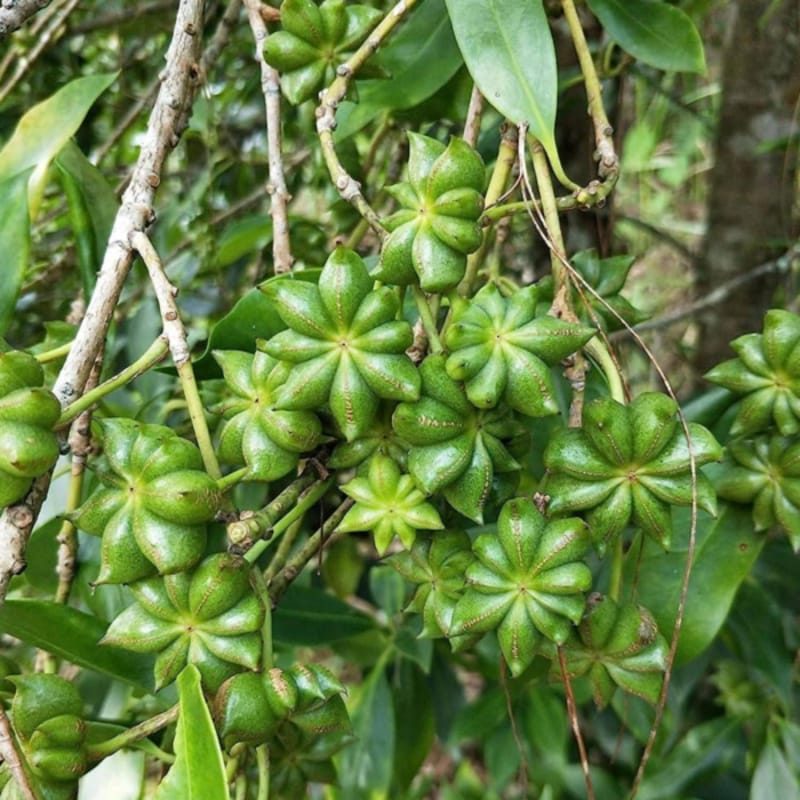
Star anise is a small, cold-sensitive evergreen tree, and commercial production is concentrated in southern China and northern Vietnam. In China the planting base is heavily weighted toward one province: Guangxi, whose karst foothills and humid subtropical climate fit the tree better than anywhere else in the country.
| Region / source | Planting area | Output / value |
|---|---|---|
| Guangxi (Guangxi Agriculture Department, 2023) | 6 million mu | 60,000–150,000 t dried fruit yearly, RMB 4–8 B, 80–90% of national output |
| Yunnan (Guangxi Agriculture Department, 2023) | 1 million mu | — |
| Guangdong (Guangxi Agriculture Department, 2023) | 60,000 mu | — |
| Guangxi share of national output (National Forestry and Grassland Administration, 2025) | — | Over 85% |
| Gulong, Teng County, Guangxi (Guangxi Daily, 2021) | — | 11% of Guangxi output, RMB 1 B+ yearly value, top-3 Guangxi anise market |
Source: Guangxi Department of Agriculture and Rural Affairs, 2023; National Forestry and Grassland Administration, Sep 2025; Guangxi Daily, Jul 2021.
For volume buyers the takeaway is simple: when you contract star anise, you are contracting Guangxi, and the province's own production numbers are the ones that set the market tone.
Drying Is the First Quality Test
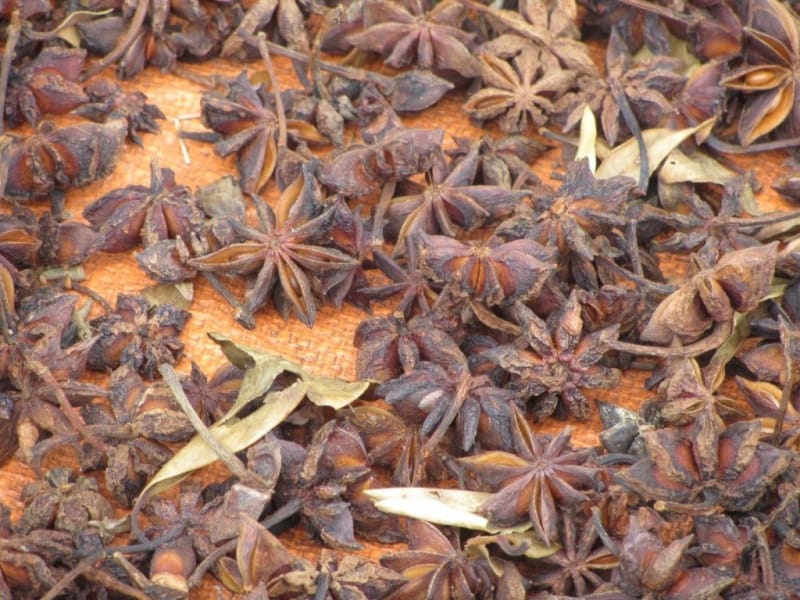
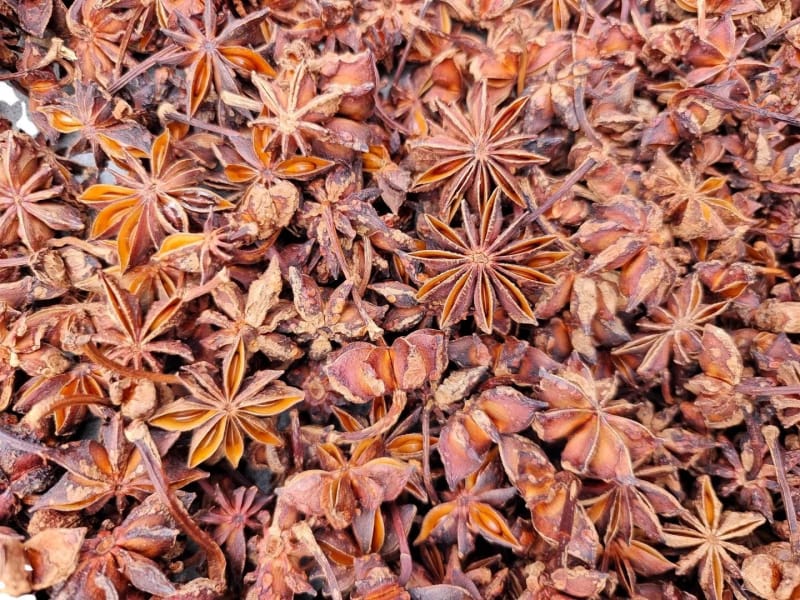
Anise is picked while the fruit is still green and slightly soft, then sun dried until the lobes harden into the deep red-brown stars the market recognizes. Drying is where a lot separates from a bad lot: slow, even drying keeps the oil locked in, while rushed heat can bake out the anethole that carries the aroma.
Smell a well-dried fruit and the sweetness sits clean on the nose. Crack a lobe between your teeth and the flavor floods in, sweet, warm and slightly numbing, the profile that survives a three-hour simmer without fading.
From Broth to Bakery to Big Pharma
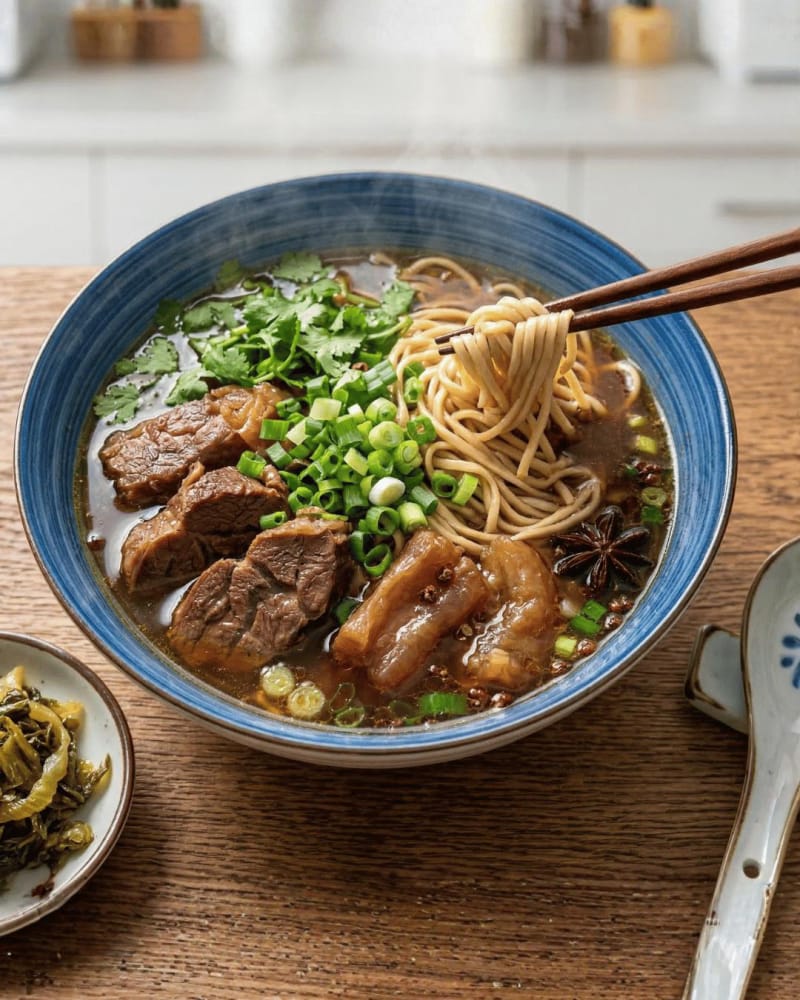
Whole star anise is the backbone of Chinese five-spice, the long-simmered beef broths of Southeast Asia, and countless baked goods and liqueur recipes where its sweetness carries other aromatics. Ground anise blends into spice rubs, marinades and seasoning compounds sold across Europe, the Americas and the Middle East.
Then comes the second career. Star anise is the natural source of shikimic acid, the starting material in antiviral drug production, and distilled anise oil, dominated by trans-anethole, feeds flavor houses and fragrance manufacturers alike. Ever wonder why pharma buyers watch the spice market? Because this humble fruit is one of the few botanical raw materials with pharmaceutical-grade demand.
A Market Growing on Two Engines
Analysts agree on the direction if not the exact scale, with star anise demand lifted by Asian cuisine going global, natural flavor trends and pharmaceutical procurement. The table below keeps each house's own base and forecast so you can compare like for like.
| Report / house | Base value | Forecast | Growth |
|---|---|---|---|
| Research and Markets | USD 1.2 B (2026) | USD 1.8 B (2033) | 5.90% CAGR |
| PW Consulting | — | USD 721.99 M (2032) | 4.8% CAGR (2025–2032) |
| Verified Market Reports | — | Over USD 2.1 B (2030) | About 7.2% CAGR |
| Alibaba B2B Guide (organic anise) | USD 116.3 M (2025) | USD 217 M (2034) | 7.1% CAGR |
Note: scopes, base years and product definitions vary by report, 2025–2026; figures as published by each source.
My honest read: the four numbers differ because each house draws the line around the market differently, but every one of them points up, which is the direction a buyer wants when locking multi-year supply.
Yulin Fuda Puts Anise on the World Map
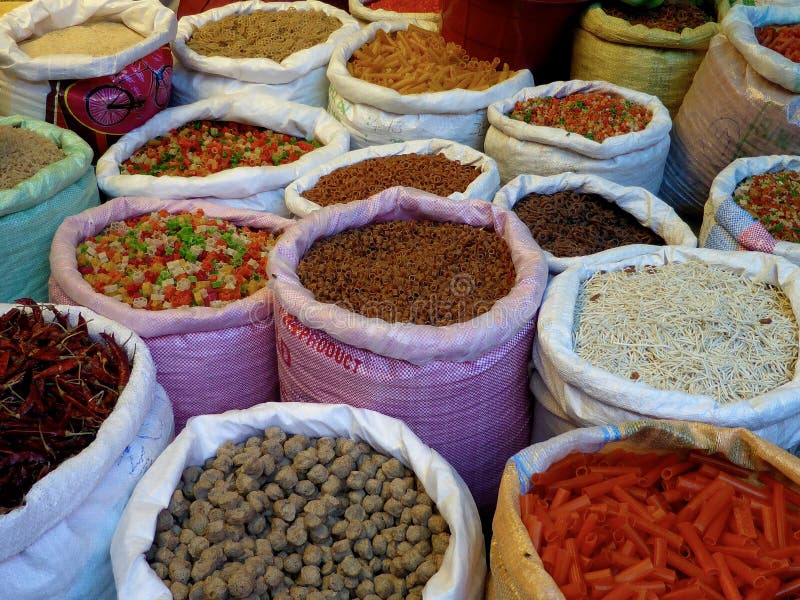
Guangxi anise flows to the same consolidation point as the rest of this catalog: Yulin Fuda International Spice Logistics Port. The hub lists more than 160 spice varieties and 700-plus merchants, closed 2025 with RMB 33.5 billion in transactions, and state media credits it with about 80 percent of domestically traded spices and over two-thirds of the world's circulating spice volume.
That is the practical meaning of sourcing from one desk at Yulin Fuda: anise from multiple Guangxi harvests arrives in the same market, gets compared for size, oil content and moisture, and ships as one graded export lot with a single set of documents.
Oil, Extracts and the Anethole Economy
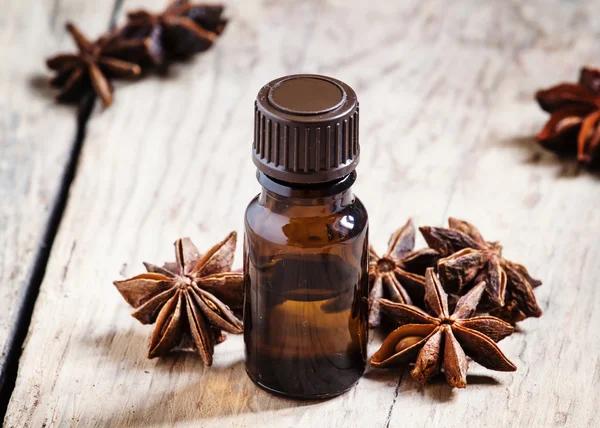
Whole fruit is only the first chapter. Distilled anise oil, running 90 percent-plus trans-anethole in good lots, is a standard raw material for flavor houses, confectionery, oral care and fragrance compounding, and the oil price is where the spice's dual value shows up most clearly.
For buyers who need the molecule rather than the pod, we source extraction-grade anise with oil yield data on the certificate, alongside whole and ground lots for the kitchen side of the business.
Grades, Certificates and Clean Shipping
We ship whole star anise by size count per 500 grams, the standard the market grades on, plus ground anise and extraction-grade lots. Every shipment carries a moisture spec, an oil-content or size certificate as agreed, and packing in double-lined jute or cartons to keep the fruit dry on the water.
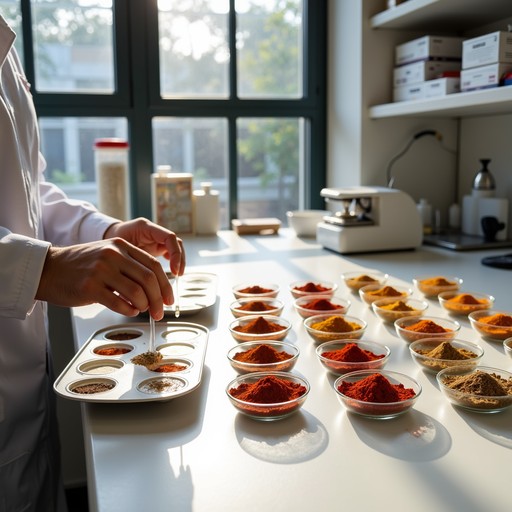
Request a sample set with current-season whole, ground and oil-yield data, run your own bench test, then send us your target size, form and port. spicesmfr handles grading, consolidation at Yulin Fuda and export paperwork from one desk, which is the whole point of buying through a hub.
Request Whole Star Anise Samples With Oil Data
Current-season whole badian with size grade, moisture analysis, COA and optional oil-yield data, ready for your bench test. Tell us your target grade, form and volume, and we will quote with a landed-cost estimate.
Leave a Comment