

The Lemon-Scented Berry Called May Chang
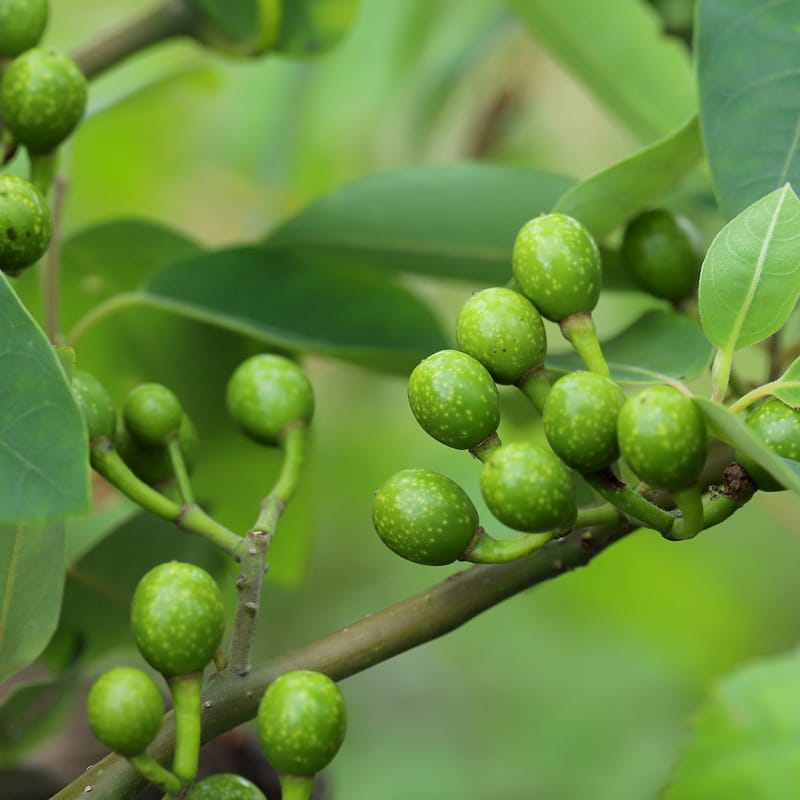
Litsea cubeba, known in the trade as May Chang and in Chinese kitchens as mù jiāng zi, grows as a small evergreen tree covered each summer with pea-sized berries. Crush one and the scent escapes instantly: a bright, grassy lemon with a soft floral edge and a whisper of ginger, lighter than lemon peel and cleaner than lemongrass.
Ever wondered why premium citrus notes in candles and cosmetics taste so true? More often than you would think, the answer is not lemon at all, but litsea cubeba carrying the citrus profile at a fraction of the cost.
A Market That Keeps Growing with Citrus Demand
Litsea cubeba oil sits at the intersection of flavor, fragrance, household cleaning and personal care, and research houses agree the segment is compounding steadily. Buyers planning 2027 to 2034 programs will want to lock supply before the curve steepens.
| Segment / report | Base value | Forecast | Growth |
|---|---|---|---|
| Litsea cubeba oil — Dataintelo | USD 312.4 M (2025) | USD 598.7 M (2034) | 7.5% CAGR |
| Litsea cubeba oil — Statifacts | USD 390 M (2025) | USD 660 M (2035) | 5.5% CAGR |
| Litsea oil — 24ChemicalResearch | USD 45.2 M (2024) | USD 76.3 M (2032) | 6.5% CAGR |
Where China Grows the Berry
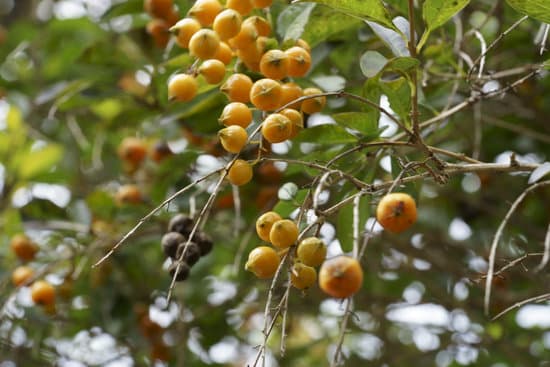
China has supplied the world's litsea cubeba oil for decades, growing the tree across at least ten provinces from Zhejiang to Yunnan. Official research counted about 14,400 hectares of litsea cubeba nationally, with roughly 12,800 hectares in fruit, and Hunan remains a core production heartland.
| Indicator / source | Figure |
|---|---|
| National litsea cubeba area (Chinese Academy of Forestry, 2020) | 14,400 ha |
| Area in fruit (2020) | 12,800 ha |
| Producing provinces | 10 provinces incl. Zhejiang, Hunan, Yunnan, Guangdong, Sichuan, Jiangxi |
| China's annual oil output trend (Hunan Forestry Bureau, 2016) | Fell from 3,000+ t to about 1,000 t; price near RMB 70,000 per ton and still undersupplied |
Distilled Bright: Citral Is the Whole Story
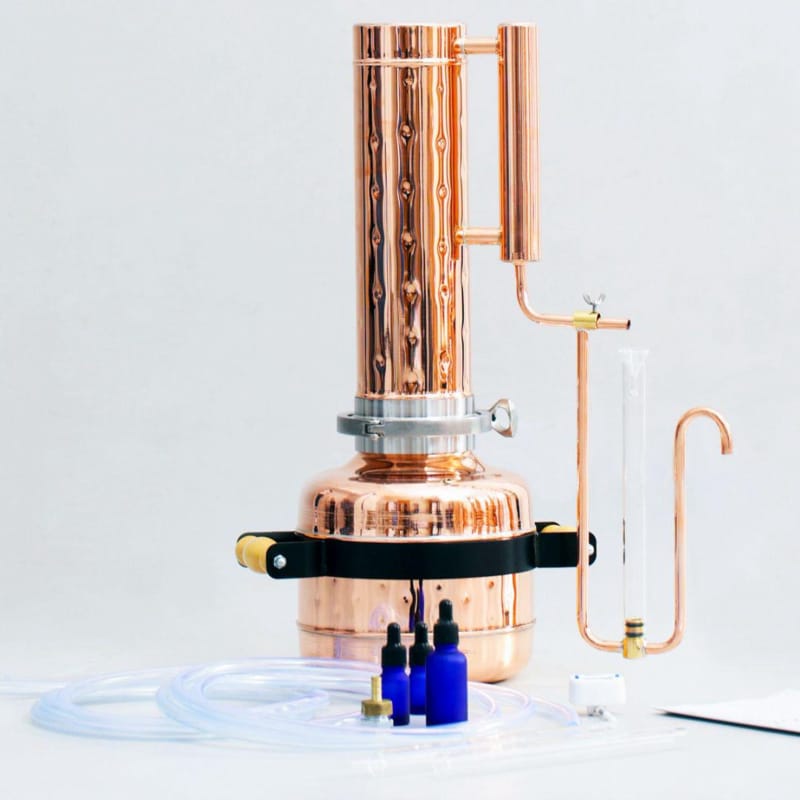
The fruit is steam-distilled within hours of picking, because the volatile oil, rich in citral, fades fast once the berry dries. First-run oil can carry citral levels that rival lemongrass, which is why litsea cubeba became the natural citrus workhorse of the fragrance trade.
Our buyers usually ask two questions before anything else: citral content and harvest year. Both go on the certificate of analysis, and both decide whether the oil suits a flavor line, a candle program or a cosmetic formula.
From Mountain Kitchens to Sour Soup Broths
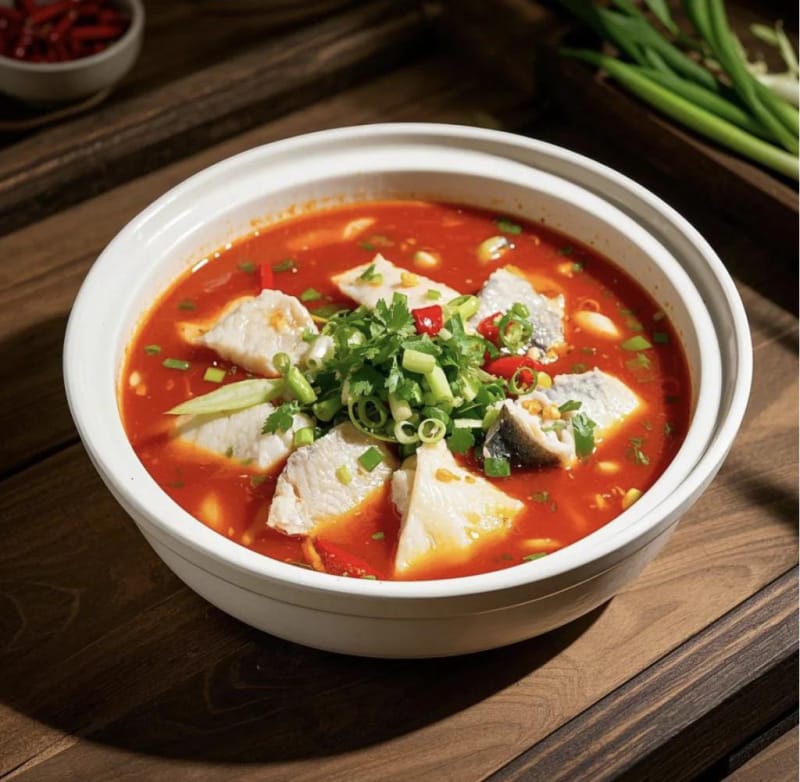
Before the oil reached global candle makers, the berry was a kitchen secret in southwest China. A few drops of litsea cubeba oil sharpen dipping sauces, fish soups and braised dishes with a citrus lift that hot chilies cannot give.
Taste a Guizhou sour-soup fish seasoned the mountain way and you will find it: a bright, cooling citrus note cutting straight through the tangy broth, leaving the palate clean enough for the next spoonful. That is litsea cubeba at work.
Yulin Fuda: Where the Trade Meets the World
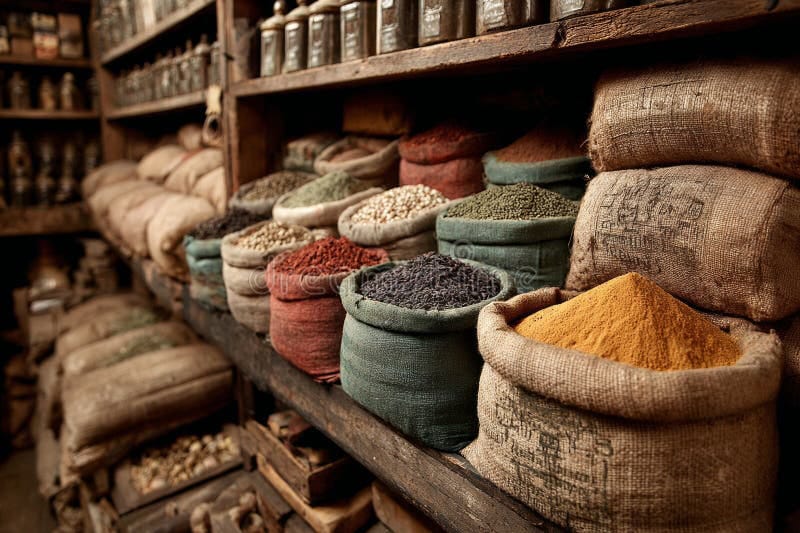
Litsea cubeba oil and berries move through Yulin Fuda International Spice Logistics Port, the consolidated trading hub of China's spice industry, home to more than 160 spice varieties and over 700 merchants, with RMB 33.5 billion in transactions in 2025.
Chinese state media puts the market's reach at about 80% of domestically traded spices and more than two-thirds of the world's circulating spice volume passing through Yulin, which is exactly why one desk at Fuda can assemble oil from three provinces into a single export lot.
Formats, Grades and Clean Shipping
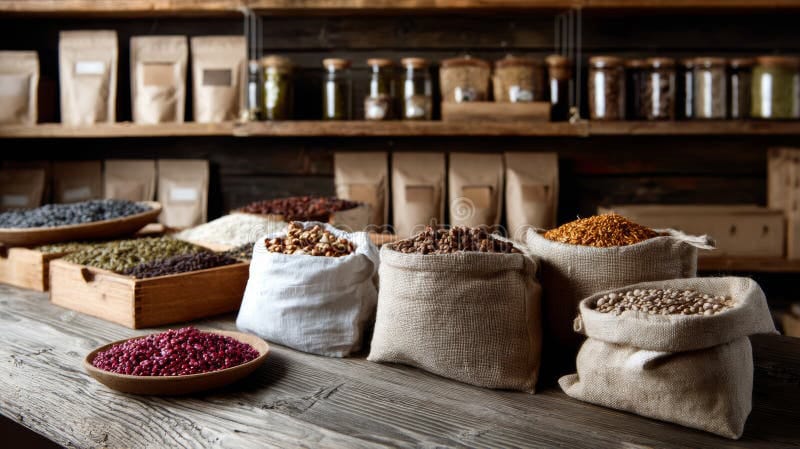
We supply litsea cubeba oil in aluminum jerricans from 5 kg samples to 180 kg export drums, and dried whole berries in lined sacks and cartons, each lot graded, tested and packed against a written spec with COA.
Tell us your application, target citral and volume, and we will match a production batch from this season, with private-label drums and blended grades available for repeat programs.
Test the Oil Before You Commit
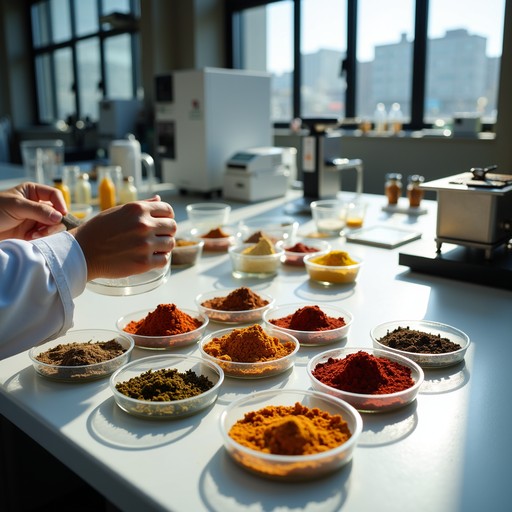
Buying scent blind is the one mistake we see most often in this category, so samples come first. Request a set with current-season oil, dried berries and a spec sheet side by side, and hold them against your current source for a week; the freshness gap will do the talking.
Then send us your target citral, form and port, and spicesmfr handles sourcing, grading, consolidation at Yulin Fuda and export documentation from one desk.
Request Litsea Cubeba Oil and Berry Samples
Current-season oil with citral analysis, dried berries and a spec sheet, ready for your bench test. Tell us your application and volume, and we will quote with a landed-cost estimate.
Leave a Comment