

A Berry Priced By Percent, Not By Weight
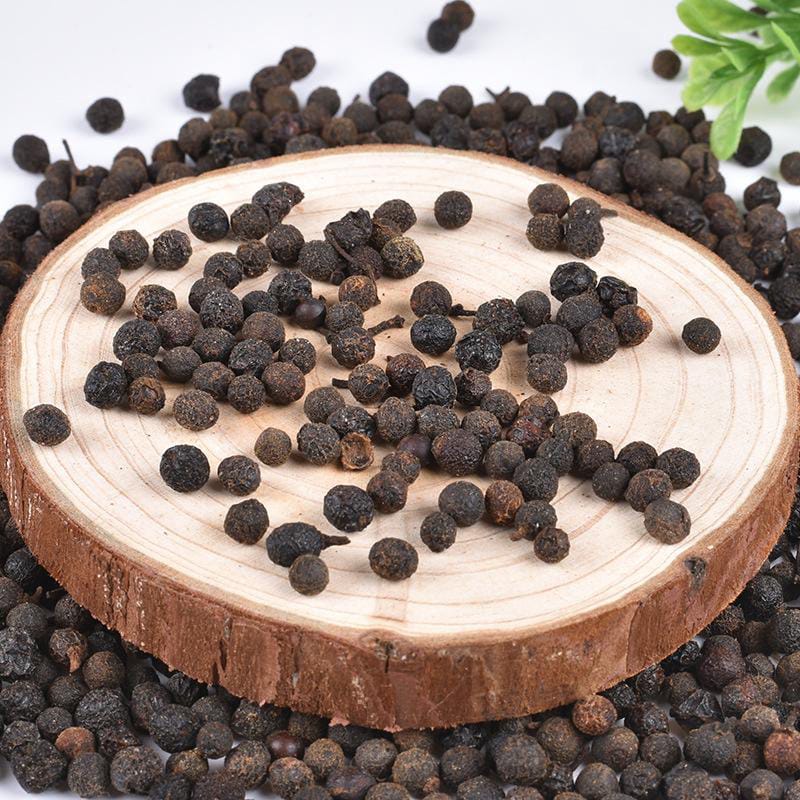
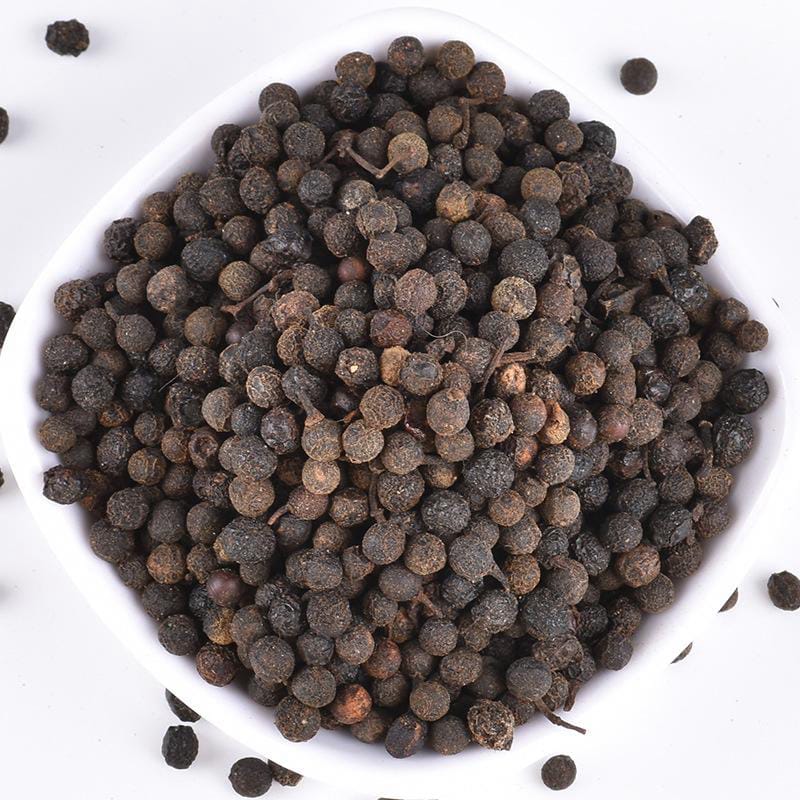
Open a sample bag and the first thing you notice is size. These berries run four to six millimetres, round, wrinkled, dark brown to almost black, with a few pale ones mixed in that look like unripe fruit or sun-bleached skin. They are not peppercorns, though they are sold next to them and often mistaken for a cheap cubeb.
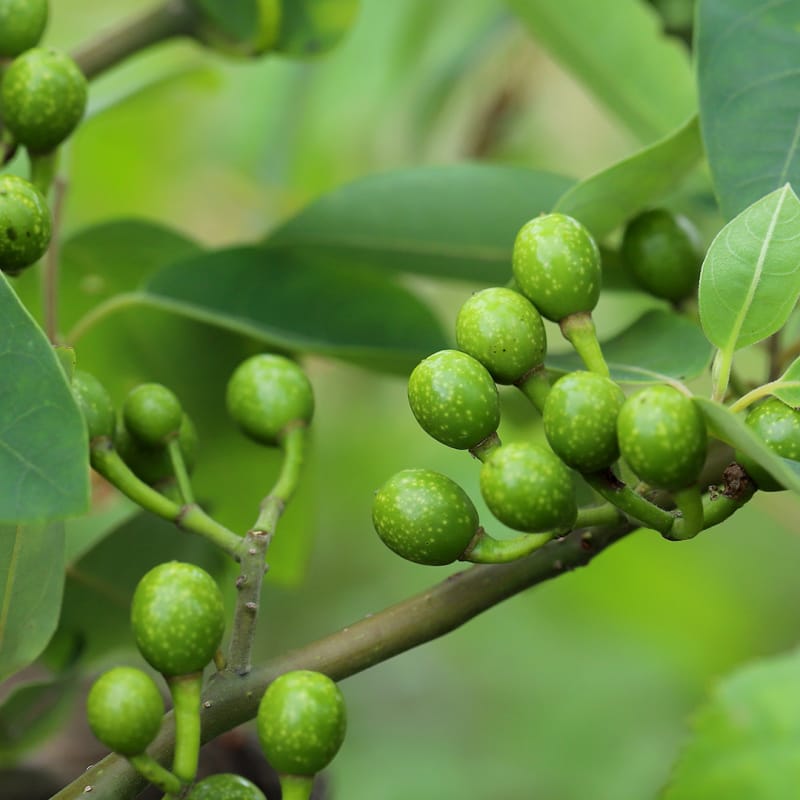
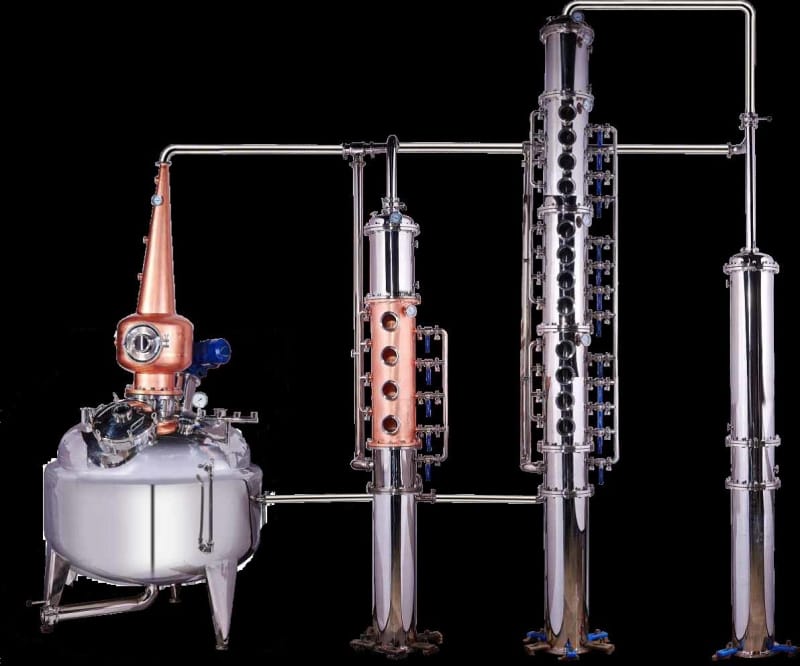
Litsea cubeba is a small tree in the laurel family, native to southern China and parts of Southeast Asia. The fruit is picked green, dried, and either sold whole to food plants or steam-distilled for oil. The whole dried fruit and the oil are two different products with two different price logics, and that is the first thing a new buyer has to keep straight.
Whole fruit is traded on grade, moisture, and foreign matter. Oil is traded on citral percentage. If a supplier quotes you one price for "litsea" without saying which product, the quote is not yet a quote.
Citral Before It Becomes A Chemical
Crush one berry between your fingers and the smell arrives before you finish the thought. Lemon first, sharp and bright, then something greener underneath, like lemongrass cut on a hot afternoon, and at the end a dry peppery edge that stays in the nose longer than lemon does.
That smell is citral, mostly a pair of isomers called geranial and neral. In litsea fruit oil citral is not a minor note; it is the main event, and published work puts its share between 51% and 87% of the oil depending on origin, harvest timing, and distillation method.
Which raises a practical question for anyone writing a purchase order. If citral can legally sit anywhere in that range, what number do you actually accept? The answer is not the top of the range. It is the number your own process can tolerate, written into the contract with a test method attached.
Two Provinces Carry The Volume
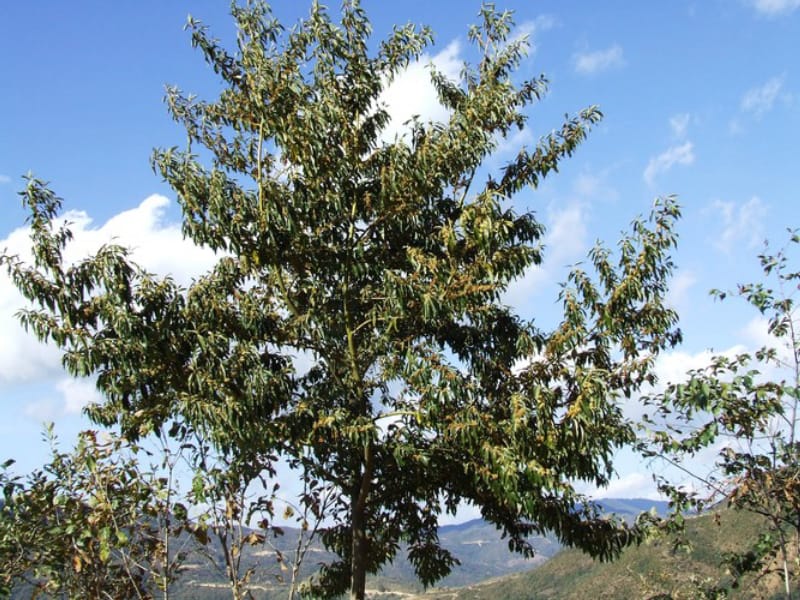
The tree grows wild across a wide band of southern China and is also planted. Hunan, Jiangxi, and Guangxi account for most of the commercial fruit, with Hunan usually named first in industry surveys. What is harder to find is a single reliable national figure, because fresh fruit, dried fruit, and oil are counted separately and rarely in the same table.
The most solid number available is on the oil side, and it comes from the national forestry authority rather than from a research house. In 2022, China produced roughly 1,300 tonnes of litsea oil. One county in Jiangxi, Suichuan, accounted for 46.15% of it, and Suichuan is listed as one of the country's three main export origins for the crop.
| Indicator | Figure | Scope | Source |
|---|---|---|---|
| National litsea oil output, 2022 | about 1,300 t | Whole country | National Forestry and Grassland Administration |
| Suichuan county share of national oil output | 46.15% | Single county, Jiangxi | National Forestry and Grassland Administration |
| Main commercial producing provinces | Hunan, Jiangxi, Guangxi | Industry survey | Industry market report, 2026 |
Note: the 1,300 t figure is refined oil, not fresh fruit. Fresh fruit tonnage and oil tonnage are not interchangeable; converting one to the other requires the yield range in Table 2, and even then the result is an estimate.
The Oil Is The Product, The Fruit Is The Wrapper
Here is the number that decides whether a load is worth distilling. Fresh litsea fruit yields between 3.14% and 4.56% essential oil on a dry-weight basis, measured across fruit collected from different parts of China. That is a narrow band, and it does not move much with price.
Practically, it means ten tonnes of dried fruit gives you roughly three hundred to four hundred and fifty kilos of oil. The rest is water, fibre, and seed. Anyone quoting you oil at a price that ignores this ratio is either selling something else or planning to blend.
| Measure | Value | Basis | Source |
|---|---|---|---|
| Essential oil yield, fresh fruit | 3.14% to 4.56% | Dry weight, fruit from multiple Chinese regions | PMC / Molecules study, 2018 |
| Citral share of fruit oil | 51% to 87% | Literature review across origins | Chinese Academy of Forestry review |
| Citral in microwave-extracted oil | 68.3% to 75.9% | Single extraction trial, mean 74.78% | Chinese Academy of Forestry, 2001 |
| Oil yield, solvent-free microwave vs hydrodistillation | 1.25% to 2.27% | Fresh fruit by harvest month | MDPI Antioxidants, 2022 |
Note: the 1.25% to 2.27% row is a different measurement basis from the 3.14% to 4.56% row and the two should not be read as a single trend. Harvest timing matters: in the MDPI trial, July fruit outperformed the rest of the season on both yield and oil quality.
Grading Is Mostly About What Is Not In The Bag
Buyers who come from the pepper trade expect a screen size and a count per gram. Litsea is looser than that. The fruit is small and irregular, and the useful specification is closer to a list of exclusions than a list of sizes.
What typically sits in a commercial lot: whole fruit, broken fruit, stalks and calyx fragments, dust, and occasionally seed that has already been partly extracted. Stalks are the big one visually. They weigh almost nothing but they take up volume, and a loader who sees a bag full of twigs will price the next order down.
Moisture is the other quiet variable. Dried fruit shipped above roughly ten percent moisture will sweat in a container, and by the time it reaches a European warehouse the bottom bags have a smell that no amount of re-drying fixes. Ask for moisture on the certificate of analysis, per lot, not per year.
The Sour Soup That Made It Famous
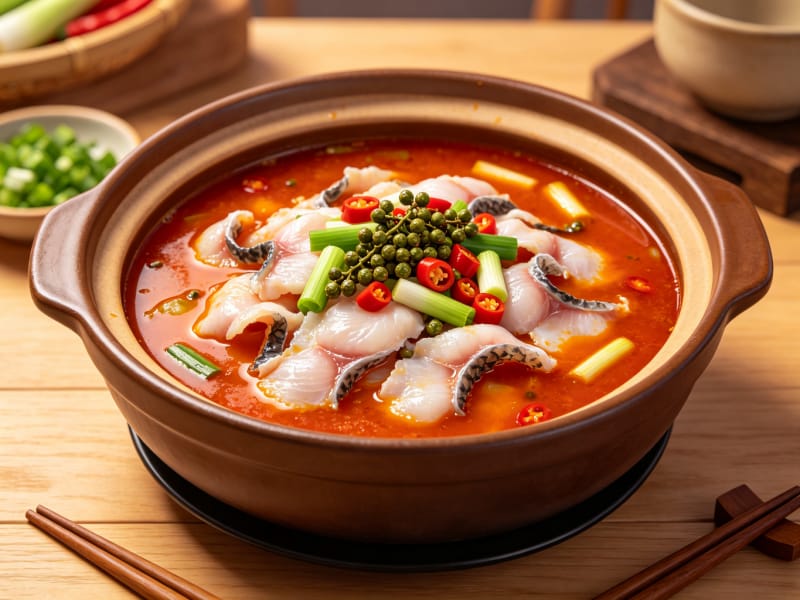
In Guizhou, litsea is not an industrial input. It is the last thing thrown into a pot. The sour soup of the Miao kitchens is fermented tomato and chilli, cooked down until the acid turns round rather than sharp, and the fish goes in at the end. Just before serving, someone drops in a spoon of litsea oil or a small handful of crushed fruit.
The taste is specific and hard to describe without the smell. The soup is already sour; litsea does not add more acid. What it adds is a cool citrus lift that cuts the fermented weight of the base, plus a faint numbness at the back of the tongue, a little like Sichuan pepper but softer and shorter.
That combination is why the fruit has a food-grade market at all. Pickle plants use it the same way, in brine rather than broth, where the citrus note survives the salt and the pepper edge keeps the brine from tasting flat. Sauce manufacturers use it in chilli and bean pastes for the same reason.
From Berry To Ionone
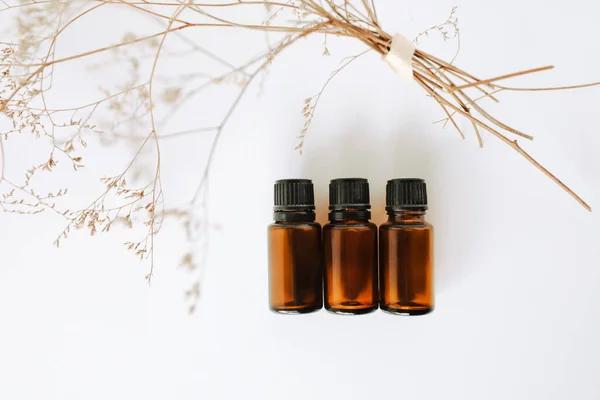
Citral is not only a flavour. It is a feedstock. Split it, rearrange it, and you get ionones, the violet-family aroma chemicals that turn up in perfume, in raspberry and violet flavours, and further downstream in vitamin A synthesis. The route from a four-millimetre berry to a fragrance ingredient runs through a fractionation column, not a kitchen.
This is where quality specification gets strict. A food buyer can tolerate a colour difference between lots. A chemical buyer cannot tolerate a citral ratio that shifts, because the downstream reaction yield depends on it. Geranial and neral are not interchangeable in every synthesis, and a supplier who only reports "total citral" is hiding the part that matters.
My own view, after watching this trade for a while: the litsea business is quietly splitting into two markets that share the same raw material but almost none of the same buyers. The food side competes on aroma and consistency of the whole fruit. The chemical side competes on purity and price per kilo of citral. A single supplier rarely serves both well.
The Numbers Behind The Trade
Published market estimates for this category do not agree, and it is worth saying so plainly. Three research houses put the 2025 base between USD 224 million and USD 390 million for litsea oil, with growth rates between 5.5% and 6.4%. That is a wide spread for a single product, and it comes from different definitions of what is being counted.
| Report scope | 2025 base | Forecast | CAGR | Publisher |
|---|---|---|---|---|
| Litsea oil | USD 224.2 million | USD 346.08 million by 2032 | 6.4% | PW Consulting |
| Litsea cubeba oil | USD 390 million | USD 660 million by 2035 | 5.5% | Statifacts |
| Natural citral | USD 320.5 million | USD 475.58 million by 2032 | 5.81% | PW Consulting |
Note: the three rows use different product definitions and different base years. They are not three views of one number and should not be added together. The natural citral row overlaps the oil rows, because most natural citral is extracted from litsea and other lemongrass-family oils.
Yulin Sorts What The Hills Send
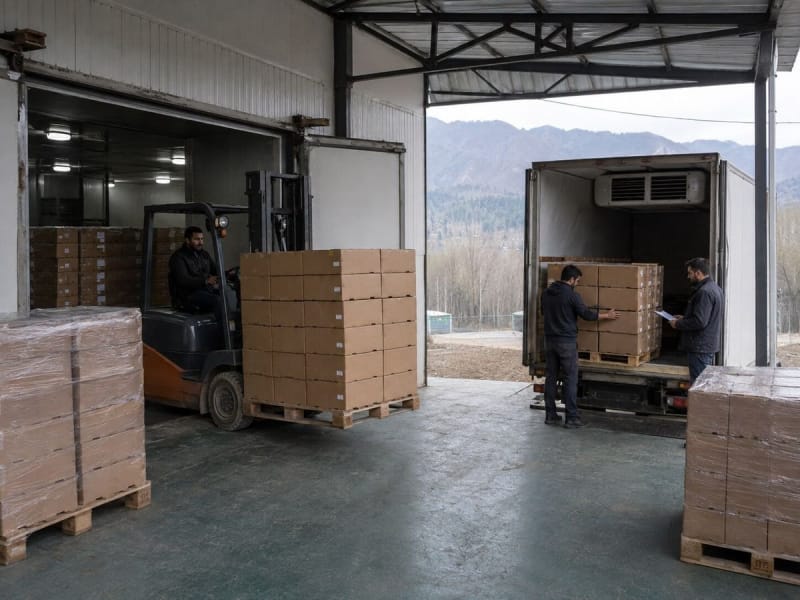
Very little litsea fruit leaves China from the county where it was picked. It moves to consolidation points, gets blended into exportable lots, re-bagged, and matched against a buyer's specification. Yulin's Fuda International Spice Logistics Port is one of the places this happens at scale.
The port handles more than 160 spice varieties across roughly 1,900 trading stalls, with stall occupancy above 95%. Turnover reached RMB 33.5 billion in 2025, the third consecutive year above RMB 30 billion, and daily throughput runs over a thousand tonnes. By the numbers published by the city and by regional press, around 80% of the spices circulating in China and more than two thirds of the global trade pass through Yulin.
| Indicator | Figure |
|---|---|
| Spice varieties traded | more than 160 |
| Trading stalls | about 1,900 |
| Stall occupancy | above 95% |
| 2025 turnover | RMB 33.5 billion |
| Years above RMB 30 billion | three consecutive |
| Daily throughput | over 1,000 tonnes |
| Share of spices circulating in China | about 80% |
| Share of global circulating trade | more than two thirds |
Source: Yulin municipal government and regional press reports, 2026. Figures describe the port as a whole, not the litsea trade specifically.
For a buyer, the practical value of a consolidation hub is not the market itself. It is that a specification can be met by mixing origins without the buyer having to hold three supplier relationships. The risk is the same thing in reverse: once fruit from three counties sits in one lot, the certificate of analysis describes the blend, not the field.
What To Put In The Contract
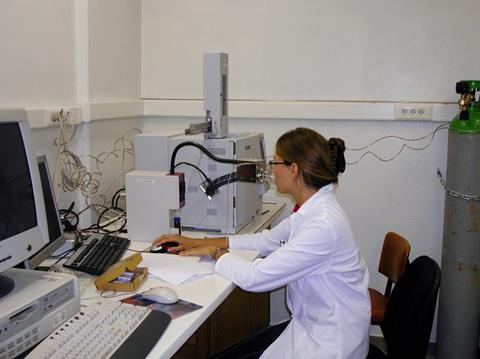
Litsea is one of those materials where a vague purchase order is almost guaranteed to produce a dispute, because the two sides are usually measuring different things. One is looking at the bag. The other is looking at the chromatograph. Write both into the document.
Six lines cover most of it. Everything else is negotiation.
| Field | What to write |
|---|---|
| Product form | Whole dried fruit or crushed; state which, and state the screen range if crushed |
| Moisture | A ceiling in percent, tested per lot, method named |
| Foreign matter | Stalks, dust, and seed limits, each as a separate percentage |
| Citral | Minimum total citral plus the geranial to neral ratio, if the buyer is a chemical plant |
| Packaging | Bag or carton, net weight, and whether food-grade liner is required |
| Documents | COA per lot, MSDS, phytosanitary certificate, and origin declaration |
Note: moisture and foreign matter ceilings vary by buyer and destination; the figures above are fields to define, not universal limits. Confirm against your own receiving standard before signing.
The last point is the one I would push hardest on. Ask for a citral figure from the actual shipped lot, not from a reference sample sent six months earlier. In a crop that is picked green, dried, blended, and stored, the sample and the shipment are not the same object, and the gap between them is where most of the money is lost.
spicesmfr supplies dried litsea cubeba fruit and citral-rich oil out of Yulin, Guangxi, with lot-level analysis and consolidated export packing.
Leave a Comment