

The Spice That Rules Every Kitchen
Pepper is the quiet giant of the spice trade. No other spice appears in as many recipes, markets or production lines, and few commodities hold their ground in the middle of a container the way a clean lot of peppercorns does. Black pepper alone accounts for more than a third of global spice trade value in most estimates, and the berry behind it all is Piper nigrum.
Crush a Hainan black peppercorn between your fingers and the first thing you get is heat, but follow it and a citrusy, piney top note appears before the warmth settles. Ever wondered why pepper outlasts every other seasoning in your pantry? Because piperine, the compound behind the burn, is stable enough to survive roasting, simmering and years on a shelf.
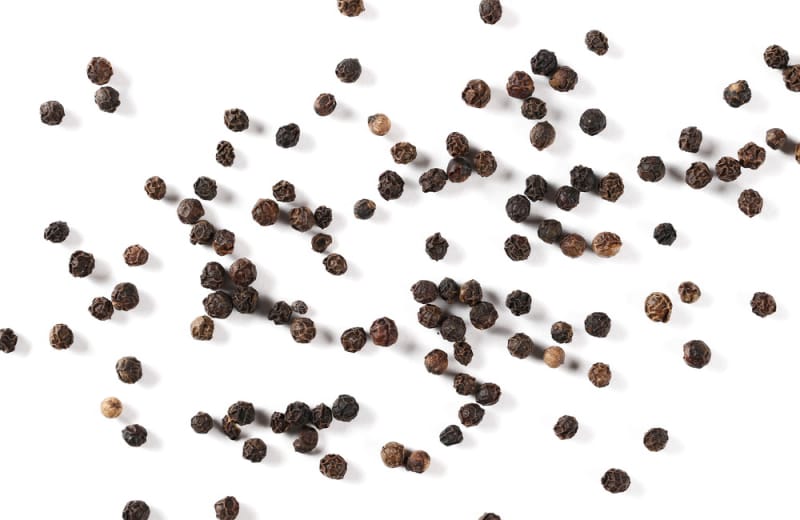
Why Hainan Grows the Pepper
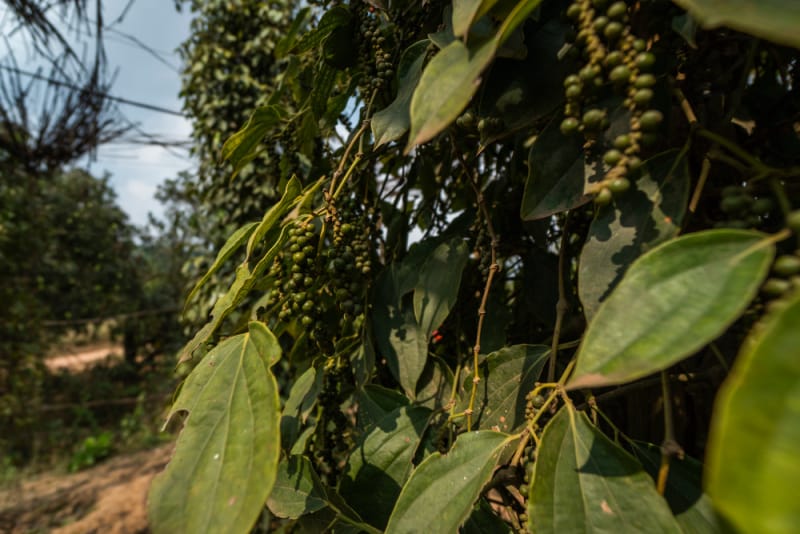
Hainan is China's largest pepper-producing region, and the island's climate explains why. Steady tropical heat, high humidity and red laterite soil let the vine climb and fruit through most of the year, with harvests concentrated around the dry months. Farms cluster in Haikou, Qionghai, Wenchang, Ding'an and Wanning, and the largest contiguous planting base in China sits in Dapo township near Haikou.
For a buyer, origin matters because the berry carries terroir the way wine does. Hainan black pepper tends to finish bright and slightly floral, a profile that food manufacturers value because it survives blending without turning harsh.
A Market That Never Stops Seasoning
Pepper demand compounds quietly, driven by food processing, seasoning blends, sauces and the steady growth of global restaurant menus. The research houses differ on the starting point but agree on the curve, with forecasts landing between four and six billion dollars by the early 2030s.
| Segment / report | Base value | Forecast | Growth |
|---|---|---|---|
| Black pepper — IMARC Group | USD 4.5 B (2024) | USD 6.4 B (2033) | 4.1% CAGR |
| Black pepper — Research and Markets | USD 4.7 B (2025) | USD 6.6 B (2034) | 3.9% CAGR |
| Black pepper — Cognitive Market Research | — | USD 6,009.66 M (2033) | 3.9% CAGR |
| Black pepper — Global Growth Insights | USD 3.43 B (2025) | USD 5.12 B (2035) | 4.1% CAGR |
Note: figures as published by each research house, 2025-2026; scopes and base years vary by report.
My own read on this market: pepper is the spice buyers can almost never stop replenishing. It is the anchor line of most seasoning programs, which is why locking a consistent origin matters more than chasing the cheapest bid on any given week.
Black and White from the Same Berry
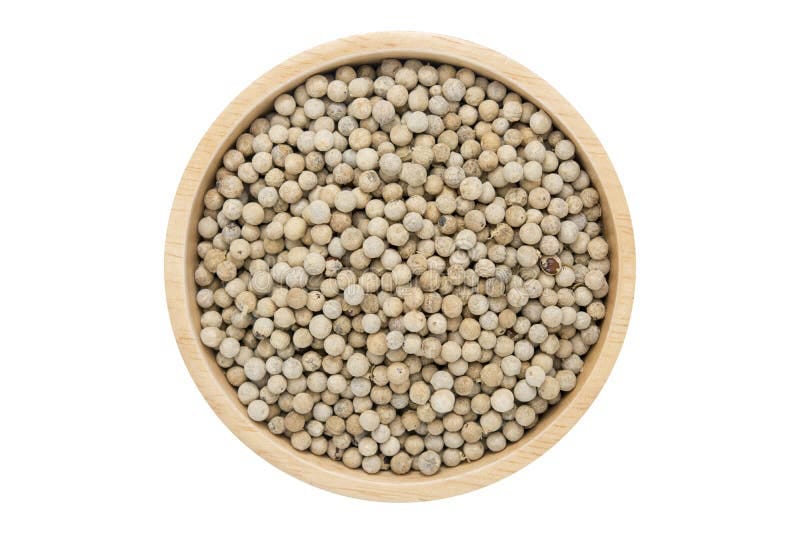
Every peppercorn starts as a green berry on the vine, and the color on the invoice is a processing decision. Pick and dry the whole berry and you get black pepper, wrinkled, pungent and versatile. Soak the berries, strip the outer hull and dry the seed and you get white pepper, milder in heat but sharper and cleaner, the variety behind many European spice blends and Chinese white-cut dishes.
Grind them side by side and the difference is immediate: black pepper attacks the nose with resin and spice, white pepper slips in with a straight, almost peppery clean bite. That contrast is exactly why buyers hold both in a program, and why we quote the two together.
Hainan's Share of the World's Pepper
The numbers behind Hainan's pepper industry have been climbing steadily, and the official figures give volume buyers a clear picture of what the island can supply.
| Indicator / source | Figure |
|---|---|
| Hainan planted area, 2025 (Hainan Agriculture Department, Oct 2025) | About 300,000 mu, annual output 37,000 t, over 85% of national total |
| Hainan share of national output (Hainan Agriculture Department, Oct 2025) | Nearly 90% |
| China's share of world harvest (Hainan Agriculture Department, Aug 2024) | About 3% of harvested area, 5% of world output, 6th globally |
| Industry value and farmers involved (China Economic Net, 2022) | Over RMB 3 B yearly, 1 million+ farmers |
| Dapo township, Haikou (Hainan Agriculture Department, Nov 2025) | Largest contiguous pepper base in China |
Source: Hainan Provincial Department of Agriculture and Rural Affairs; China Economic Net (as cited).
Why does a buyer in Amsterdam or Jakarta care about one Chinese island? Because the world's sixth-largest producer sits right next to the world's biggest spice consolidation hub, which is exactly the supply geometry that keeps landed cost predictable.
Yulin Fuda: Where Pepper Meets the World
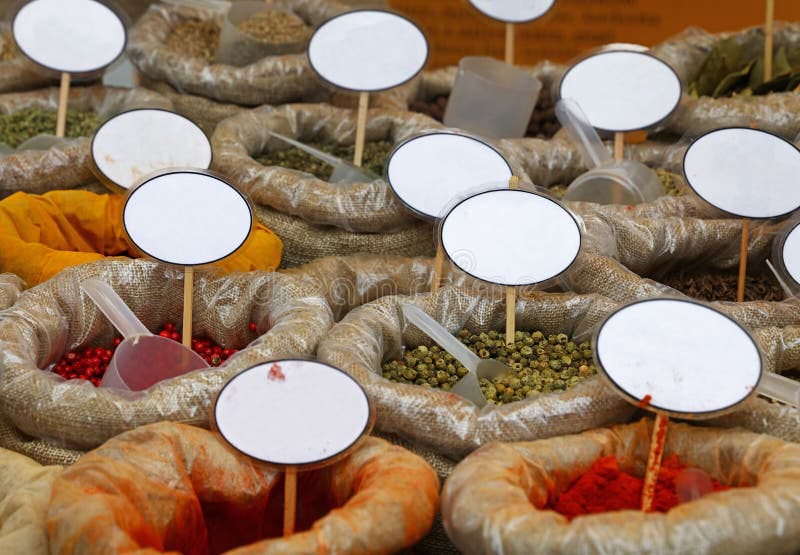
Peppercorns from Hainan travel to the same consolidation point as every other spice in this catalog: Yulin Fuda International Spice Logistics Port. The hub hosts more than 160 spice varieties and over 700 merchants, closed 2025 with RMB 33.5 billion in transactions, and state media puts its reach at about 80 percent of domestically traded spices and more than two-thirds of the world's circulating spice volume.
That concentration gives you what scattered sourcing cannot: one desk that can compare lots from Hainan's harvest, hold against prevailing grades, and blend a container of black and white pepper into a single export lot with one set of documents.
Formats, Grades and Clean Shipping
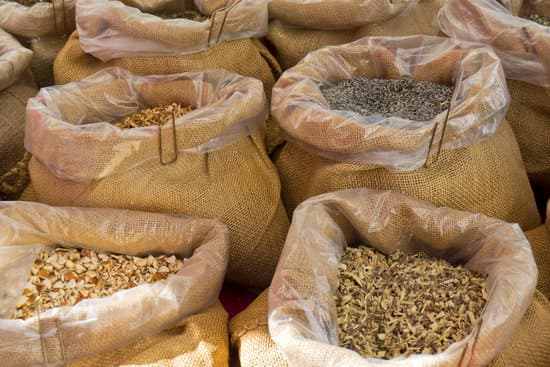
We supply Hainan pepper the way food programs actually buy it: whole black peppercorns in 25 kg and 50 kg double-lined sacks, white peppercorns to the same packing standard, and ground pepper on request for seasoning lines. Every lot is moisture-checked, sieved and packed against a written spec with a certificate of analysis.
Ask us for the two numbers that define a pepper contract: moisture content and 500-gram count, the industry shorthand for berry size. On every shipment we keep the trail that turns a farm lot into a customs-clearable, food-grade export.
Test the Heat Before You Commit
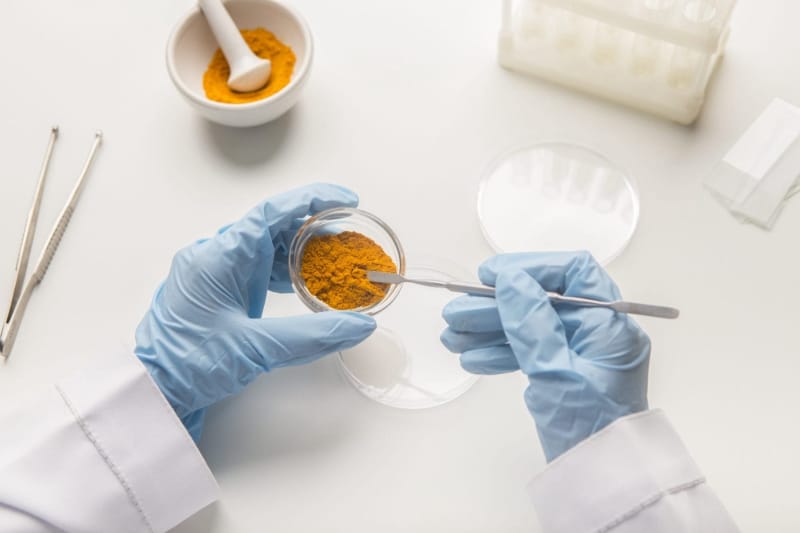
Pepper is bought on the grind, and the fastest way to judge a lot is to crack a few corns and smell the resin release. Request a sample set with current-season black and white peppercorns, ground pepper and a spec sheet side by side, then run your own bench test for a week and compare against your current source.
Then send us your target grade, form and port, and spicesmfr handles sourcing, grading, consolidation at Yulin Fuda and export documentation from one desk. For buyers running a year-round seasoning program, that single point of accountability is the whole difference between a spice order and a supply chain.
Request Hainan Black and White Pepper Samples
Current-season whole peppercorns with moisture analysis, COA and a spec sheet, ready for your bench test. Tell us your target grade, form and volume, and we will quote with a landed-cost estimate.
Leave a Comment