

What Da Hong Pao Actually Is
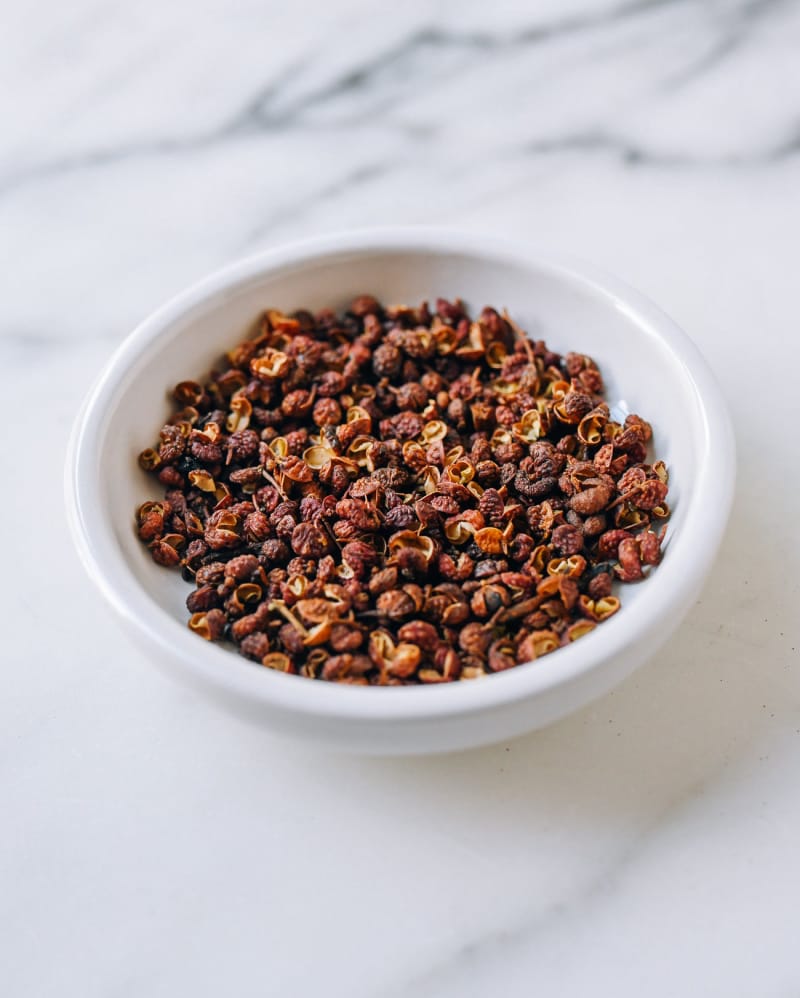
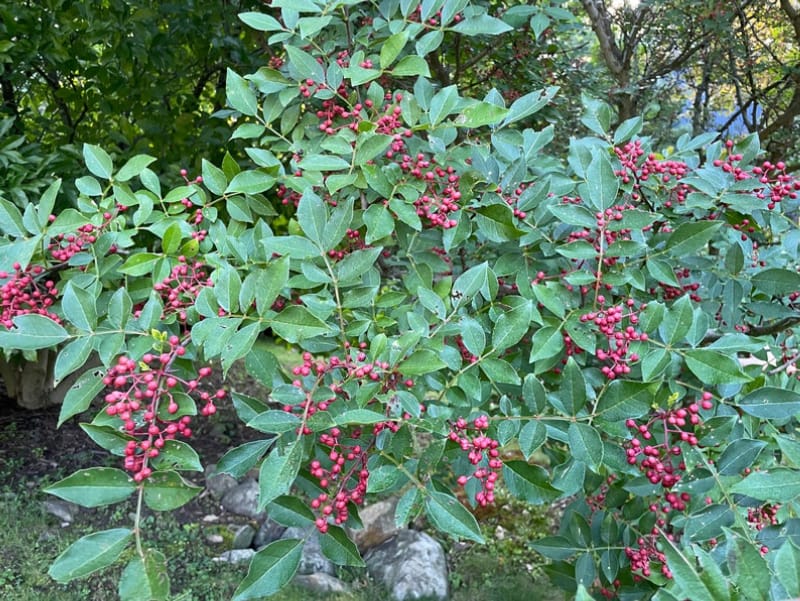
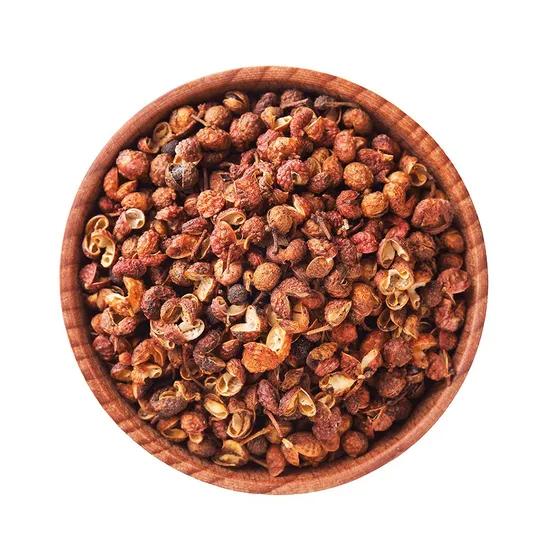
Da Hong Pao is not a tea in this trade. The name belongs to a cultivar group of Zanthoxylum bungeanum, the red Sichuan pepper grown across Sichuan, Gansu and Shaanxi. Read literally it means big red robe, and it describes the fruit rather than the plant: large husks, deep red, split open at the top so the pale inner wall shows. In Hanyuan the local crop has been recorded as a tribute item for more than a thousand years, and the same cultivar name is now used by packers in at least three provinces.
That is where the trouble starts. Two suppliers can both ship you Da Hong Pao and send you two different products, because the name travels with the seedling while the quality travels with the drying yard. One lot is picked at full red and shade dried; another is picked early, kiln dried too hot, and blended with cheaper fruit to hit a price.
So what are you actually buying when the subject line says Da Hong Pao? You are buying a cultivar group plus a regional habit, not a protected single variety. The part you can put a number on is smaller and duller: grade, volatile oil, amide content, moisture, foreign matter. Everything else in the name is a story about origin.
Numbing First, Heat Second
Open a bag of fresh-crop Da Hong Pao in an October warehouse and the smell arrives before the fruit does. First citrus peel, the thin oily part of it rather than the juice. Then something resinous and green, close to crushed pine needles. Then a dry, slightly dusty warmth that sits at the back of the throat and does not go away for a few minutes. It is a quiet smell for a spice that behaves so loudly on the tongue.
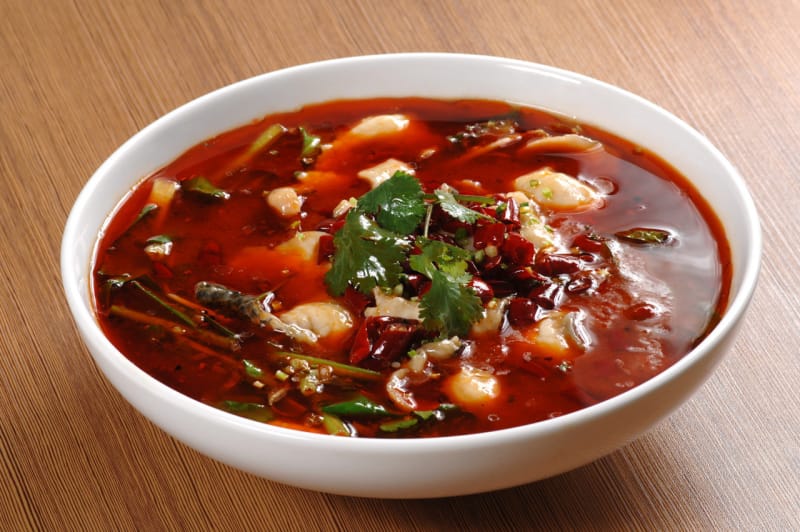
Chew one husk and the tongue goes still for half a second before the buzz starts, a fast tremor along the lower lip that most first-time buyers describe as carbonated. There is no capsaicin heat in it at all. The burn people remember from a Sichuan dish comes from chilli; this pepper contributes the electric numbness and the citrus-floral top note that keeps a rich broth from tasting flat. In a hot pot base it reads as lift. In a chilli oil it reads as length, the part of the flavour that stays after the heat has gone.
The chemistry behind the buzz is a group of alkylamides, with hydroxy-alpha-sanshool doing most of the work. One published assay of Z. bungeanum peel put hydroxy-alpha-sanshool as high as 49.92 mg per gram, measured by HPLC. The aroma side is a different set of molecules: linalool and limonene dominate. A trial on Dahongpao fruit in Maoxian County recorded linalool at 37.63 to 37.69 g per kg and limonene at 12.65 to 12.82 g per kg. Two families of compounds, two different failure modes, and buyers usually only test one of them.
Hanyuan Sets The Reference Number
If the market needs one county to argue about, it is Hanyuan. The county sits in the hills southwest of Chengdu, and its pepper is the reference that other red pepper regions get compared against, fairly or not. Official figures put the planted area at roughly 20 mu ten-thousand, that is 200,000 mu, with fresh fruit output above 42,000 tonnes in the 2026 season and first-sector value forecast above RMB 1.1 billion.
Read the two official years side by side and the direction is clear. Between the 2025 release and the 2026 release, fresh output went from 36,400 to a forecast 42,000 tonnes while planted area stayed flat. That is a yield story rather than an area story, and it matters to a buyer because yield gains usually arrive with new varieties and different picking discipline, not with the same fruit handled the same way.
| Item | 2025 release | 2026 release |
|---|---|---|
| Planted area | 204,000 mu | 200,000 mu |
| Fresh pepper output | 36,400 t | above 42,000 t (forecast) |
| First-sector value | RMB 800 million | above RMB 1.1 billion (forecast) |
| Total chain value | RMB 5.0 billion | not stated |
| Brand value | RMB 6.16 billion | not stated |
| Improved variety coverage | 100 percent | 98 percent and above |
Sources: Yaan Agriculture and Rural Affairs Bureau (Jan 2025); Hanyuan County government service portal and CCTV (Sept 2026). Both columns are fresh fruit, not dried. Fresh and dried tonnage are not interchangeable and must not be added or converted without a measured dry-to-fresh ratio for the specific lot.
What The Standard Measures And What It Misses
The Chinese national standard for pepper, GB/T 30391 as revised in 2024, sorts whole pepper and ground pepper into two grades on one variable: volatile oil. For grade one, moisture must sit at or under 12.0 percent, total ash at or under 10.0 percent on a dry basis, and volatile oil at or above 3.0 mL per 100 g on a dry basis. That is a floor, not a target. It is the level below which a lot stops being commercially usable pepper.
Hanyuan's own geographic indication draft goes much further, and this is the document worth asking a supplier to meet even if they cannot print the mark. It sets volatile oil at 8.0 mL per 100 g or above, moisture at 11.5 percent or below, total ash at 4.2 percent or below, and total amide content at 100 mg per gram or above. Four indicators instead of one, and the amide line is the important one, because it is the only figure in either document that speaks to whether the pepper will actually numb.
| Indicator | GB/T 30391 grade one | Hanyuan GI draft | Maoxian Dahongpao, measured |
|---|---|---|---|
| Volatile oil | at or above 3.0 mL/100 g, dry | at or above 8.0 mL/100 g | 7.30 to 7.49 percent |
| Moisture | at or below 12.0 percent | at or below 11.5 percent | not reported |
| Total ash | at or below 10.0 percent, dry | at or below 4.2 percent | not reported |
| Amide content | not specified | at or above 100.0 mg/g | numbing fraction 12.45 g/kg |
Sources: GB/T 30391 full text via China Pepper Network; interpretation published by Yinan County government; Hanyuan pepper geographic indication quality requirements, draft for approval, published by SAMR and SAC; Maoxian Dahongpao cultivation trial, Sichuan Forestry Survey and Design. The volatile oil figures use two units, mL per 100 g and mass percent, and must not be converted into each other without a measured density for that lot. The standard figures are limits; the Maoxian figures are measurements of one crop across two seasons.

My own view is that a quotation reading complies with national standard is close to saying nothing. The national grade one line is low enough that a tired lot can still clear it. If a supplier will not put an amide figure and an oil figure on the same page as the price, the price is being set by colour photographs.
The Three Things Buyers Overpay For
Every tonne of whole red pepper carries material that is paid for by weight and returns nothing on the tongue. The Maoxian trial broke this down into a category list that is worth borrowing for contract language, because each item has a different cause and a different fix.
| Fraction | Share of total weight | What it is |
|---|---|---|
| Closed husks | 0.30 to 0.41 percent | Fruit that never split, so the seed stays inside and the aroma stays locked in |
| Seed | 1.50 to 1.59 percent | Loose seed left after screening, no aroma value |
| Stalk and stem | 1.25 to 1.35 percent | Cluster stems broken off in handling |
| Total | 3.15 to 3.35 percent | Sum of the fractions above |
Source: Maoxian Dahongpao regional cultivation characteristics trial, 18 months of field records, Sichuan Forestry Survey and Design. Percentages are shares of dried fruit weight in the sampled crop. Closed husks are not the same defect as seed; they carry oil but release none of it in normal cooking.
Run the arithmetic on a 20 tonne order and the total is 630 to 670 kg of material that contributes weight and nothing else. On a landed cost basis that is not a rounding error. It is one pallet of your money sitting in a warehouse in the shape of stems.
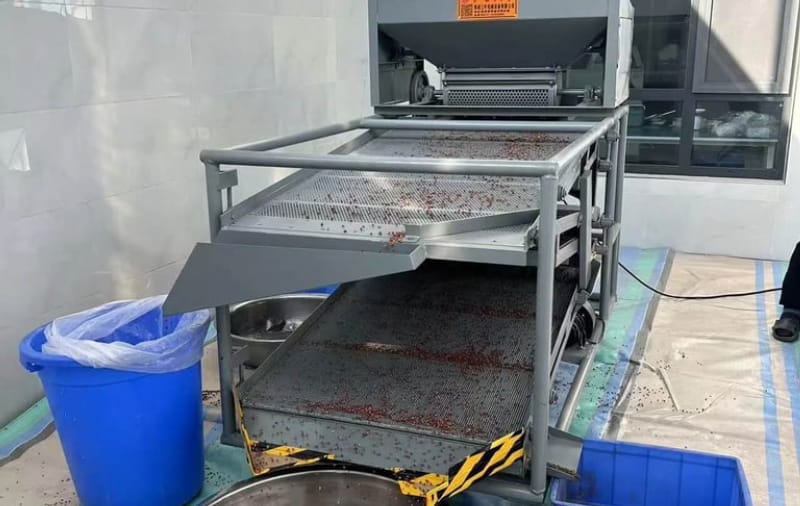
Buyers argue hardest about unit price and almost never about the impurity ceiling. That is backwards. Winning two percent on price while accepting three percent inert matter is a losing trade, and it is a trade you can lose without noticing, because the invoice looks correct and the dish tastes thin.
Picking, Drying, And The Colour Trap
Harvest in Hanyuan runs through the hottest weeks of summer. Pickers work early, once the dew has lifted, because fruit cut wet ferments in the basket before it reaches the yard. Clusters are cut with the branch rather than stripped by hand: a bruised husk splits its oil cells, and an oil cell that has already ruptured is aroma you paid for and will never smell.
Drying is the step that decides the colour and most of the oil. Fruit is spread about two centimetres deep on bamboo mats and turned through the day. Under strong sun the husks crack open in five to six hours, and once they have cracked the oil cells stop bursting. Anything that misses that window, or gets caught by rain, comes out dark and dull, and the trade reads dull colour as old crop even when the calendar says otherwise.
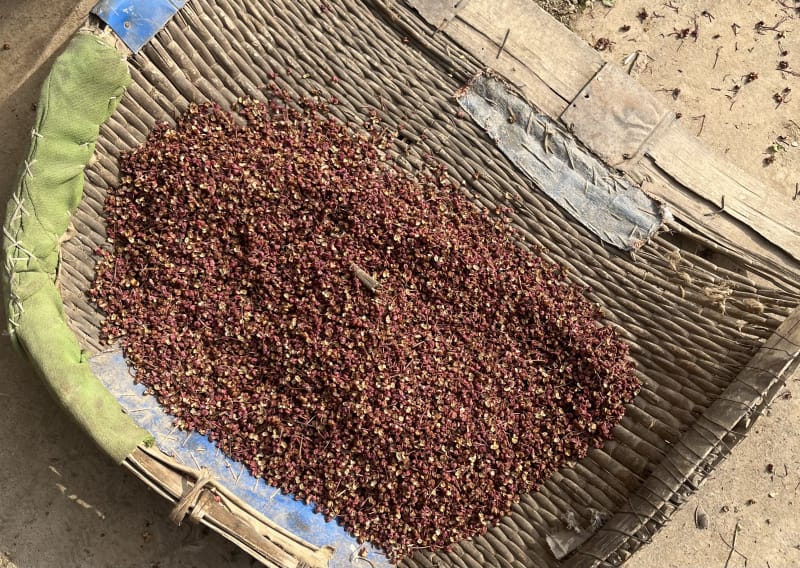
Here is a test that costs nothing. Take a handful from the bag, close your fist on it for ten seconds, then open it near your face. Body heat wakes the oil. If what comes back is citrus and resin, the lot is alive. If it reads as dry grass with a paper edge, the oil has already gone, and no colour in the photograph will bring it back.
Where The Container Goes
China is the largest producer and consumer of pepper in the world, and it exports a small but rising share of that volume. Industry figures put 2025 exports of pepper and anise-type spice at USD 428 million, up 8.9 percent year on year, with the United States taking about 23.6 percent, Japan 17.1 percent, Korea 12.4 percent and Canada 9.3 percent. Treat that total as an industry estimate rather than a customs extract, because the category bundles several spices together.
The unit economics are more useful than the aggregate. One processor in Jiangjin, Chongqing, shipped 268 tonnes abroad in 2025 for RMB 9.1 million, selling into 23 countries including Canada, Japan, France and Singapore, at prices generally double the domestic level. Part of that gap is certification and heat treatment; part is the cost of holding a specification instead of selling whatever is in the yard that week.
| Item | Figure | Basis |
|---|---|---|
| 2025 export value, pepper and anise category | USD 428 million | Industry report, up 8.9 percent year on year |
| United States share | 23.6 percent | Same report |
| Japan share | 17.1 percent | Same report |
| Korea share | 12.4 percent | Same report |
| Canada share | 9.3 percent | Same report |
| One Jiangjin exporter, 2025 volume | 268 t | Company figure reported by People's Daily |
| Same exporter, 2025 value | RMB 9.1 million | Same source |
| Destination countries | 23 | Same source |
| Export price versus domestic | generally above double | Same source |
Sources: 2026 China pepper and anise market report (industry research, not customs data); People's Daily Chongqing channel, May 2026. The two blocks use different scopes and must not be combined into a single export total.

The Oil Is A Different Product
Most first enquiries treat pepper and pepper oil as one line item at two pack sizes. They are separate products with separate cost structures. Whole pepper is priced on grade and inert matter. Oil and oleoresin are priced on extraction yield, amide concentration and the aroma profile the buyer wants preserved, and those three do not move together.
Published work from the Chinese Academy of Forestry on Dahongpao pepper used supercritical CO2 on 200 g of 40-mesh material at 33 MPa and 55 degrees Celsius for one hour and reported an extraction rate of 10.2 percent. Read that as a bench result on one sample, not as a factory yield. Commercial lines run lower and vary by moisture, mesh size and how much oil the fruit still had when it arrived.
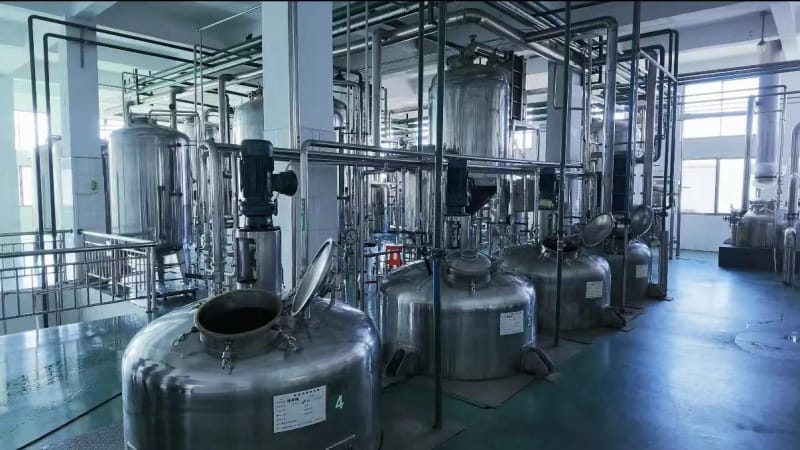
If your product is a sauce or a snack seasoning, buy the whole fruit and grind it close to use. If your product is a clear oil or a concentrate, buy the extract and stop paying freight on husk. The mistake I see most often is a buyer ordering whole pepper for an oil application and then blaming the origin when the yield disappoints.
Yulin Repacks What The Counties Sort
Yulin Fuda International Spice Logistics Port in Guangxi is where a county lot becomes an exportable parcel. The market carries more than 160 spice varieties across roughly 1,900 trading stalls, with occupancy above 95 percent, a 2025 turnover of RMB 33.5 billion and three consecutive years above RMB 30 billion. More than a thousand tonnes move through it on an ordinary day.
Why does a buyer in Hamburg care about a market in Guangxi? Because the county sells you a harvest and the port sells you a specification. A single drying yard in Hanyuan cannot fill a 20-foot container with one grade on a Tuesday. Yulin can, by pulling from several yards, re-screening to an agreed ceiling, and holding the balance until the next vessel. Nationally about 80 percent of traded spice and more than two thirds of the global trade in circulating spice pass through this hub.
| Item | Figure |
|---|---|
| Spice varieties traded | more than 160 |
| Trading stalls | about 1,900 |
| Stall occupancy | above 95 percent |
| 2025 turnover | RMB 33.5 billion |
| Years above RMB 30 billion | three, consecutive |
| Daily throughput | above 1,000 t |
| Share of national traded spice | about 80 percent |
| Share of global circulating spice | more than two thirds |
Sources: Yulin municipal government industry pages; Guangxi news and CNR reports, 2026. Turnover is quoted in RMB; the national and global shares are market-coverage statements published by the municipal and state media, not customs statistics.
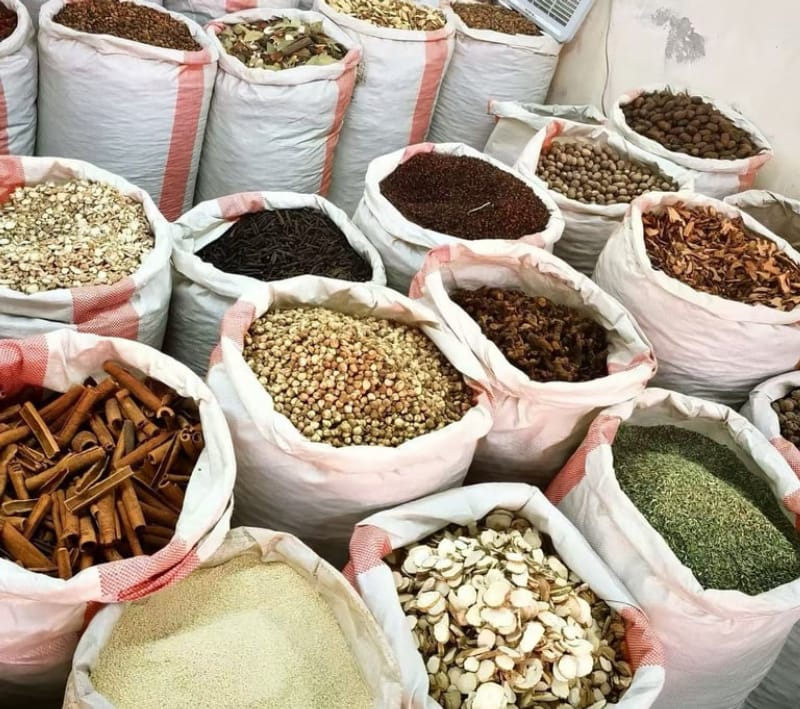
The practical consequence is that a buyer asking for a single-origin, single-yard lot and a buyer asking for a repeatable specification are asking for two different products, and only the second one scales. If you need traceability for a retail claim, say so at enquiry stage, because it changes which yards can be used at all.
Grade And Price Do Not Move Together
Red pepper is not priced on redness. It is priced on four numbers that a camera cannot show: volatile oil, amide content, moisture and inert matter. Two lots from the same county in the same season can sit 30 to 40 percent apart on price while looking almost identical in a photograph, because one was dried inside the window and the other was not.
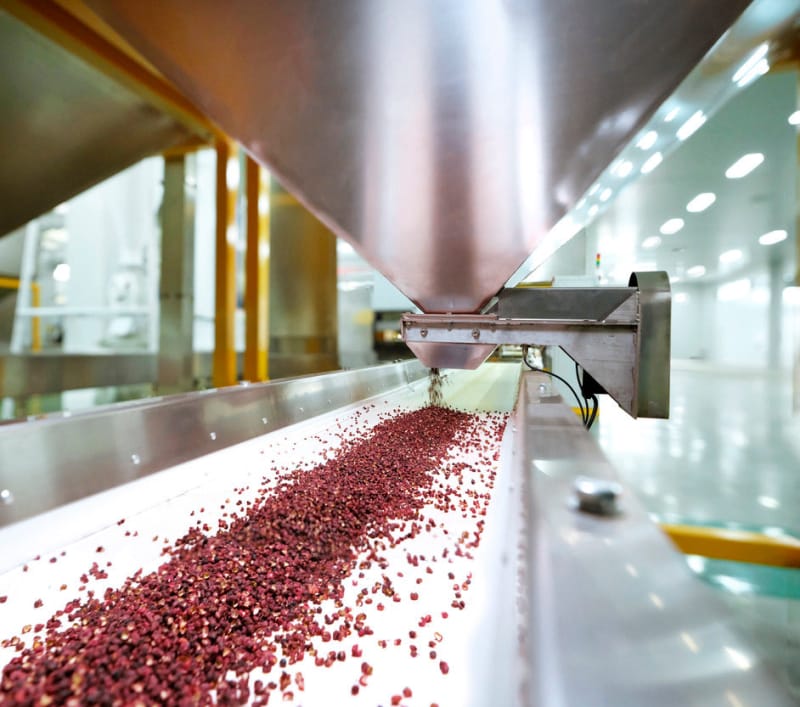
I have watched buyers pay a 15 percent premium for a darker sample and receive fruit that had been kiln dried past the point where the oil cells survived. The colour was real. The aroma was gone. It is the single most expensive habit in this category, and it survives because the defect is invisible until someone cooks with it.
Ask for the four numbers against the actual shipping lot, then ask what the same numbers were on the previous shipment. A supplier who can answer both is running a specification. A supplier who can answer only the first is running a photograph.
What To Put In The PO
Most pepper disputes are not about quality. They are about a purchase order that described a product by name and left the measurable part to memory. Eight lines close that gap, and none of them require new testing capacity at your end.
| Line | What to state | Why it matters |
|---|---|---|
| Product | Dried Da Hong Pao husk, Zanthoxylum bungeanum, whole | Separates cultivar from the generic red pepper name |
| Grade | GB/T 30391 grade one, plus county GI limits where available | Gives a floor that is written down rather than implied |
| Moisture | 11.5 percent maximum, method named | Water is the cheapest weight in the bag |
| Volatile oil | mL per 100 g, dry basis, with the assay method | The national grade variable and the aroma proxy |
| Amide content | mg per g, with the assay method | The only figure that predicts whether it numbs |
| Foreign matter | Total ceiling, plus separate caps for closed husk, seed and stem | A single total hides which fraction you are paying for |
| Packaging | Inner liner, net weight, pallet pattern, carton marking | Determines rework cost at destination |
| Documents | Phytosanitary, analysis of the shipped lot, origin | Prevents a reference sample standing in for the cargo |
Compiled by spicesmfr from the specifications and studies cited on this page. Limits shown are the tighter of the national and geographic indication figures; confirm against the buyer's own market requirements before contracting.
The last line is the one I would hold firm on. Ask for the analysis of the lot that is actually loading, not a reference sample from six months ago. In a crop that is picked green, dried on a mat, blended at a hub and stored through a humid summer, the sample and the shipment are not the same object, and the space between them is where the money goes.
Sourcing Da Hong Pao For A Hot Pot Or Sauce Line
spicesmfr ships whole and ground red pepper out of Yulin Fuda, consolidated to an agreed grade with lot-level analysis. Send your target specification and monthly volume, and we will quote against the numbers rather than the photograph.
Leave a Comment