

The Bark Behind the World's Warmest Flavor
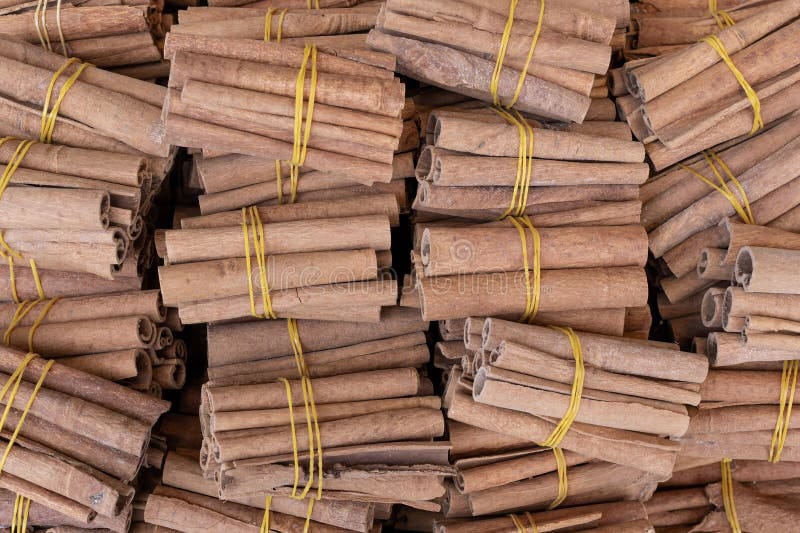
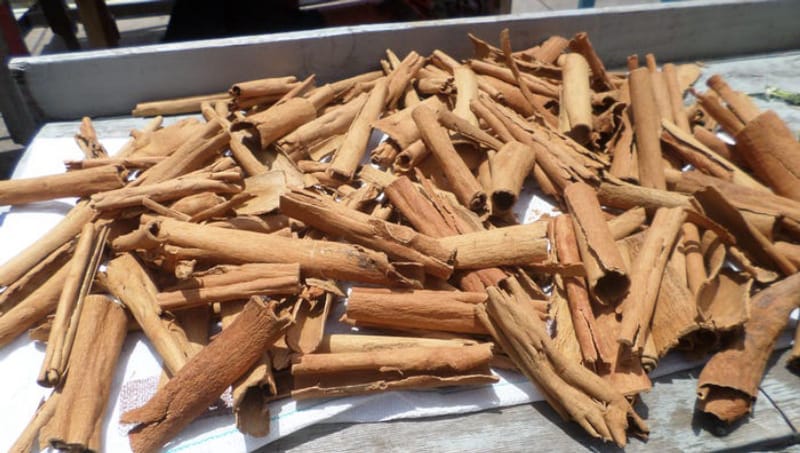
Cassia bark is the thick, reddish-brown bark of Cinnamomum cassia, the tree whose dried quills most of the world calls cinnamon. Crack a stick and the first thing that escapes is a hot, sweet-woody perfume with a sharp peppery edge, deeper and more assertive than the delicate curls of Ceylon cinnamon.
That single smell explains a lot: it is why cassia, not true cinnamon, dominates global spice blends, braising sacks and holiday baking, and why buyers from Mexico to Morocco order it by the container rather than the jar.
A Market Measured in Bark and Powder
Cassia bark feeds three markets at once: whole sticks, ground powder and distilled oil. Global research firms put the combined category at well over a billion dollars and growing faster than the wider natural-spice market.
| Segment / report | Base value | Forecast | Growth |
|---|---|---|---|
| Global cinnamon bark market — Global Info Research | USD 1,060 M (2024) | USD 1,707 M (2031) | 7.1% CAGR |
| Cassia powder market — DataHorizzon Research | USD 450 M (2024) | USD 900 M (2033) | 7.2% CAGR |
| Cassia oil market — Future Market Report | USD 225.45 M (2025) | USD 325.33 M (2033) | 4.7% CAGR |
| China cassia (guipi) industry, 2025 | RMB 4.28 B | +6.3% y/y | China industry study, 2026 |
From Tree to Quill, Peeled by Hand
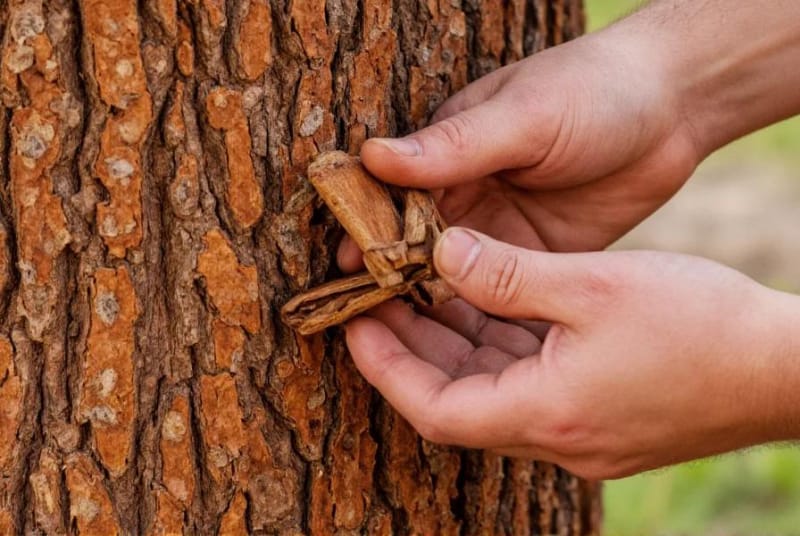
Cassia trees are stripped every eight to ten years, when the bark is thick enough to roll into a single tight quill. Workers slit the trunk lengthwise, ease the bark off with a curved knife, and stack the sheets until they curl inward as they dry, no glue involved.
Because the tree is ringed, not felled, it resprouts and yields again a decade later. Guangxi farmers repeat that cycle for generations, which is why a cassia stick still tastes like land, labor and time rather than factory output.
Cassia in the Braising Pot and the Pho Bowl
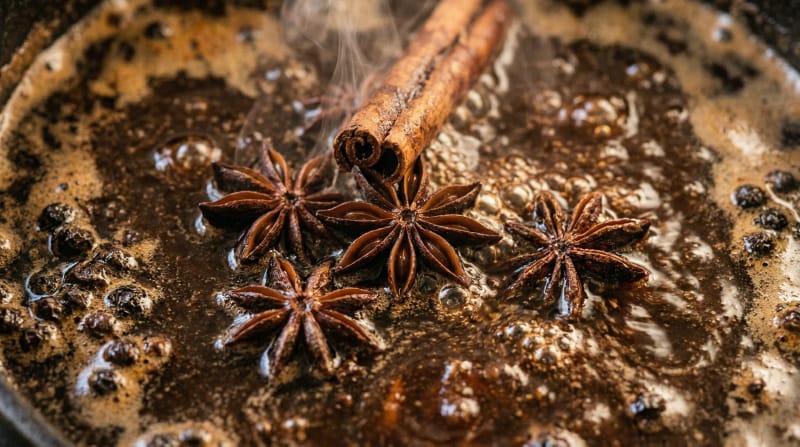
Cassia bark is the backbone of Chinese five-spice and the deep note in master stocks for soy-braised pork and eggs. It rides into pho broth beside star anise and cloves, and into Mexican, Middle Eastern and Indian dishes wherever a recipe wants bold, sweet heat.
Steep a quill in broth and the flavor is unmistakable: a hot, resinous sweetness that coats the tongue, warms the throat and leaves a faint floral echo, the kind of depth that only bark simmered slowly can give.
Yulin Fuda Consolidates the Cassia Trade
Guangxi cassia bark flows into Yulin Fuda International Spice Logistics Port, the trading center of China's spice industry. The market handles more than 160 spice varieties, hosts over 700 merchants, and recorded RMB 33.5 billion in transactions in 2025, a third straight year above RMB 30 billion.
Chinese state media reports that about 80% of the country's traded spices and more than two-thirds of the world's circulating spices pass through Yulin. The production base sits in Rongxian county, whose 120,000 mu of cassia trees make it one of China's great bark-producing centers.
| Yulin / Guangxi indicator | Figure | Source |
|---|---|---|
| Rongxian cassia planting area, 2023 | 120,000 mu | Jintai / Rongxian coverage, 2024 |
| Rongxian annual dried cassia bark output | 7,300 tonnes | Jintai / Yulin news, 2024 |
| Rongxian cassia bark production value | RMB 200 M | Jintai / Yulin news, 2024 |
| Yulin city cassia planting area | ~112,700 mu | Yulin media, 2024 |
| Guangxi spice plant species | 270+ (65 endemic) | Guangxi Agriculture Dept., 2022 |
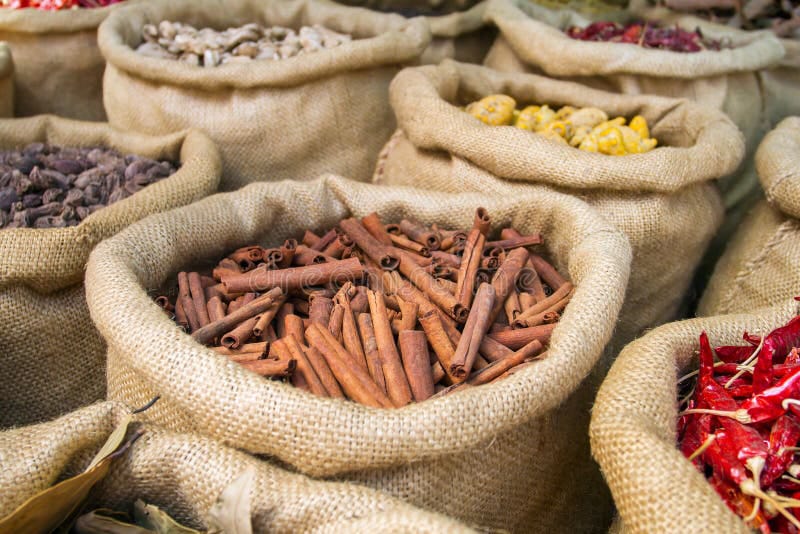
Powder, Oil and the Herbal Extract Chain
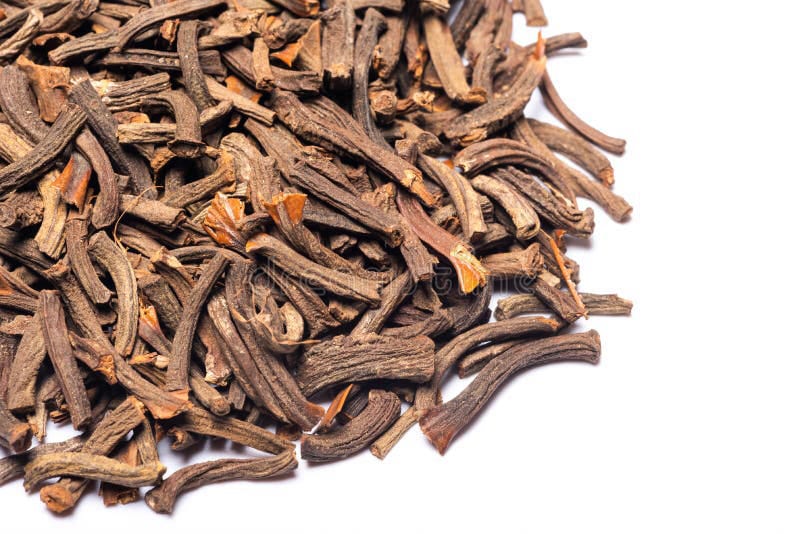
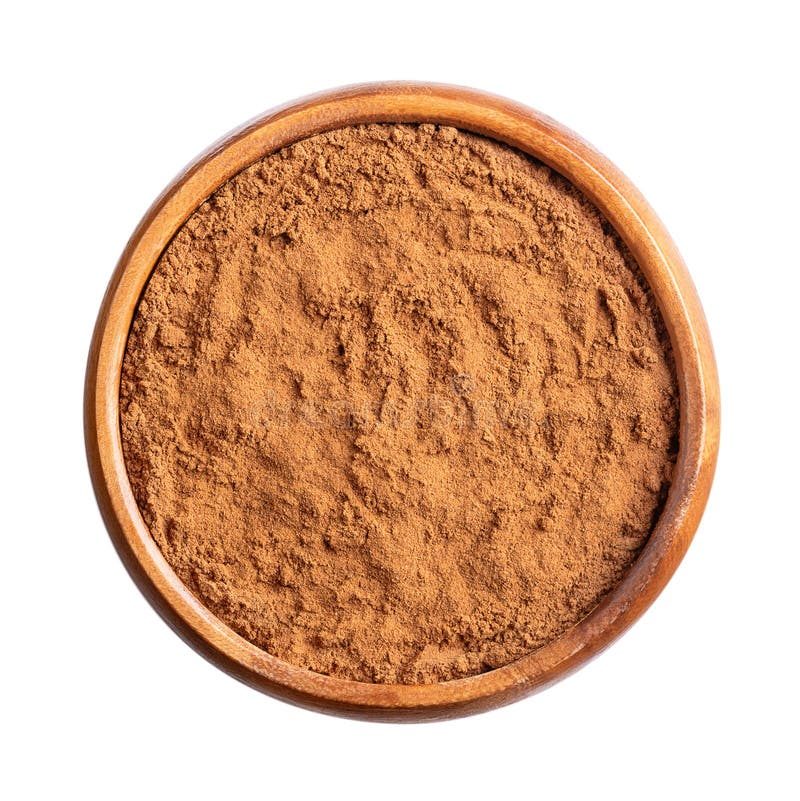
Ground cassia is the workhorse of spice blends, curry bases, rubs and baked goods, while steam-distilled cassia oil feeds the flavor and fragrance industries. In Chinese herbal practice the same bark, called guipi, appears in warming formulas, giving the crop a second demand curve far from the kitchen.
Our honest read after years in this trade: cassia's price is set by volume buyers who care less about the pretty quill and more about coumarin limits, oil content and batch consistency, so sourcing discipline beats chasing the flashiest grade.
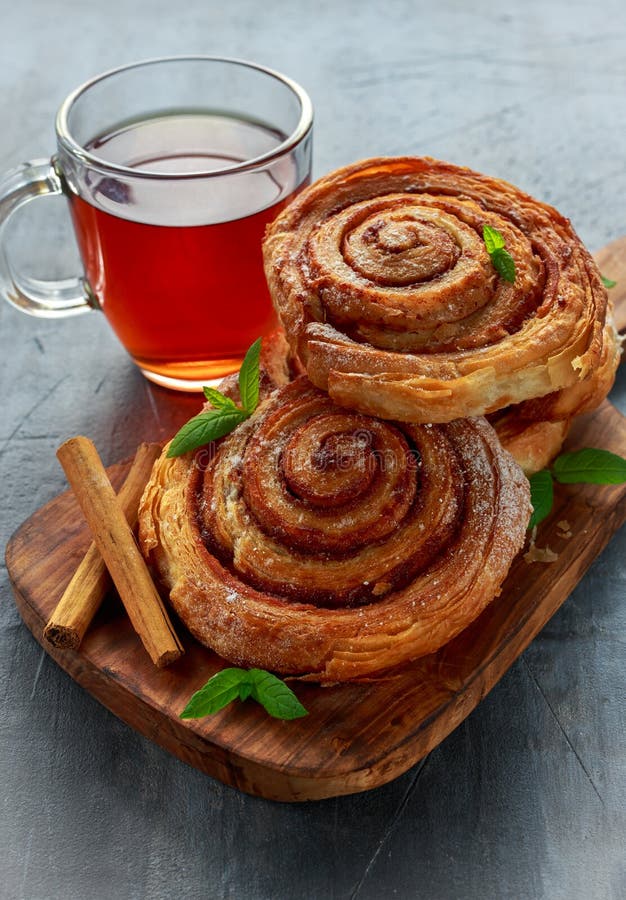
From Rolls to Baking and Spiced Tea
Beyond the pot, cassia shows up in cinnamon rolls, apple desserts, mulled wine and spiced teas across Europe, America and Asia. A single quill steeped in hot tea delivers the same perfume as the stew does, sweet, hot and steady, which is why it survives in recipes that changed nothing else for centuries.
Ever noticed how a kitchen smells like a bakery the moment a cassia quill hits warm liquid? That instant warmth is the whole product story, and it is exactly what export buyers are paying for.
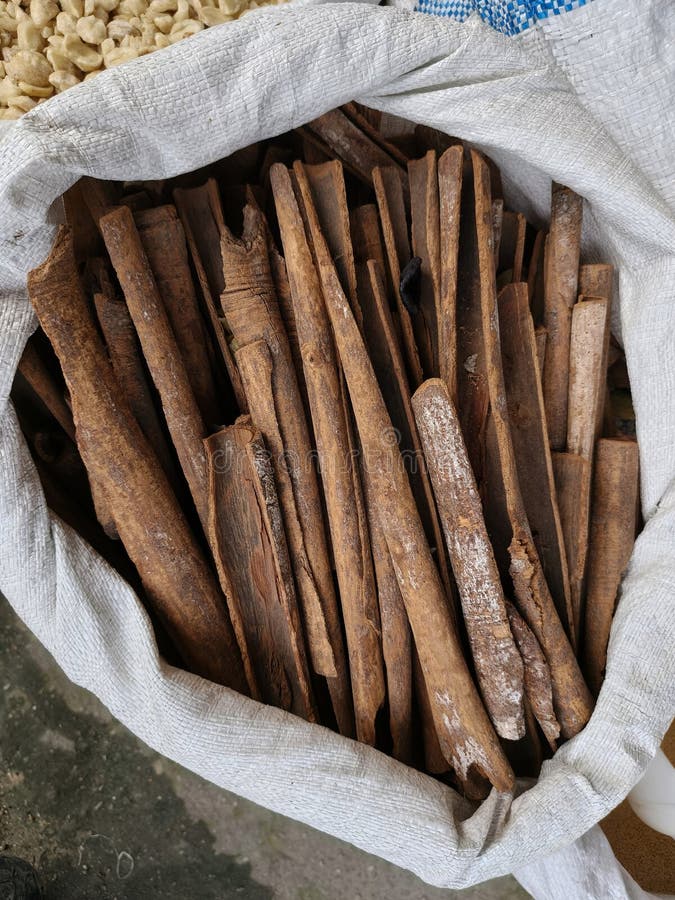
Whole Sticks, Broken Bark or Ground, on Spec
Cassia ships in three forms: whole quills for retail packs and stew programs, broken bark for grinding and blending, and powder for sauces, seasonings and extracts. The specs that matter are thickness, quill length and diameter, moisture, coumarin and volatile oil content, and crop-year freshness.
Tell spicesmfr your form, thickness or mesh target and volume, and we quote against a written spec with a certificate of analysis on every lot, so the heat you approved on the sample is the heat you get in the container.
Sourcing Cassia Bark That Ships on Spec
Work with spicesmfr and you get the whole chain from one desk: direct sourcing from Guangxi groves, peeling, drying and grading, consolidation at Yulin Fuda, and export documentation on every shipment. Samples go out before you commit, and pricing holds for the season.
The fastest way to start is a 1-kilo sample set: whole quills, broken bark and powder with a spec sheet side by side. Compare the aroma against your current source, then send us your target volume and port, and we will handle the rest.
Request Cassia Bark Samples and Spec Sheets
Whole quills, broken bark and powder with COA and traceability docs. Tell us your form, spec and volume, and we will respond with samples and a landed-cost estimate.
Leave a Comment