

The Dark Resin That Changed Perfume History
Agarwood, known as oud in the Middle East and chenxiang in China, is not a species of tree but a reaction. When an Aquilaria tree is wounded by drilling, storm damage or fungal infection, it defends itself by secreting a dark, aromatic resin deep inside its heartwood. That resin-saturated wood is what the trade buys, grades and burns.
Hold a piece of sinking-grade material to your nose and the profile is unmistakable: a sweet, balsamic depth with earthy smoke underneath, layered with a faint floral lift that no synthetic accord has fully copied. Ever wondered why the most expensive perfumes list oud before any other note? Because one gram of resinous heartwood can carry more character than a whole bottle of citrus.
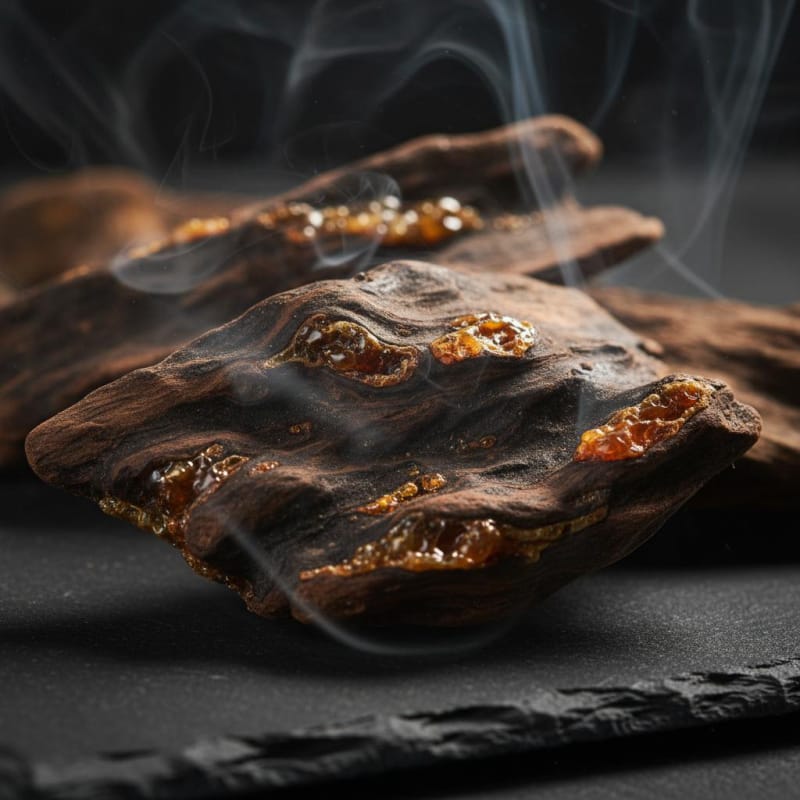
How a Wounded Tree Makes the World's Most Prized Wood
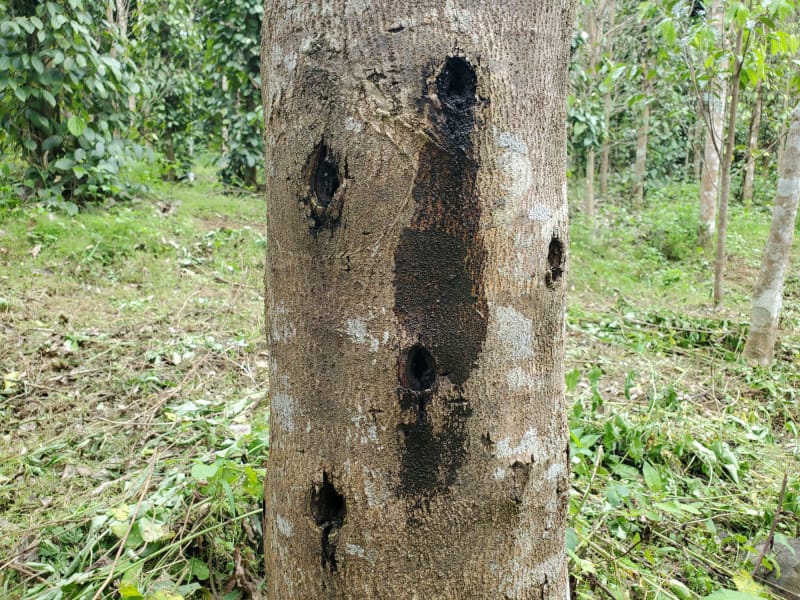
Aquilaria trees grow across Southeast Asia and southern China, but most produce nothing aromatic. Resin forms only after injury and infection, a process that can take four to five years in natural stands and far longer in wild trees. Plantation growers accelerate it with controlled inoculation, drilling holes and introducing fungal cultures into the trunk so the tree starts building resin on a predictable clock.
That shift matters for buyers. Wild agarwood is protected under CITES Appendix II, so export without permits is effectively impossible. Cultivated agarwood from managed plantations gives you a legal, consistent and traceable alternative, and modern farms in southern China report resin formation in 80 to 90 percent of inoculated trees within about a year and a half of treatment.
A Market Ticking Toward Double Digits
Demand for agarwood is climbing across perfume, incense, personal care and traditional wellness, and the research houses disagree only on the denominator, not the direction. Read the reports side by side and the pattern is the same: chips and raw material are compounding at seven to eight percent a year, with Asia Pacific taking roughly half the value.
| Segment / report | Base value | Forecast | Growth |
|---|---|---|---|
| Agarwood chips — Persistence Market Research | USD 47.4 B (2026) | USD 81.8 B (2033) | 8.1% CAGR |
| Agarwood chips — Data Insights Consultancy | USD 42.82 B (2025) | USD 71.67 B (2033) | ~7% CAGR |
| Gaharu / agarwood — Future Market Report | USD 10.25 B (2025) | USD 18.77 B (2033) | ~7.8% CAGR |
| Agarwoods — Verified Market Research | — | USD 2.33 B (2033) | 6.8% CAGR |
Note: figures reflect different report scopes (chips, gaharu, high-grade agarwoods). All values as published by the named research houses, 2025-2026.
My own view after sourcing this category for years: the chips segment is where volume buyers should anchor. Oil is priced for rarity, but chips feed incense, perfume tinctures and wellness blends at volumes that actually move a container.
China's Agarwood Heartland
China grows agarwood commercially at scale in Guangdong and Hainan, and the numbers have moved fast since plantation techniques matured. Guangdong laid out a provincial roadmap through 2030, and the county of Dianbai, the country's acknowledged agarwood capital, is now the anchor of the supply chain.
| Indicator / source | Figure |
|---|---|
| Guangdong planted area target by 2030 (Guangdong Forestry Bureau, 2026) | 700,000 mu, annual output 15,000 t, industry value over RMB 100 B |
| Dianbai planted area, 2025 (Dianbai District Government, 2026) | Over 150,000 mu, 30 million+ seedlings raised yearly |
| Dianbai full-chain output value, 2025 (Guangdong Forestry Bureau, 2026) | Over RMB 8 B |
| Share of national Qi Nan seedling market (Guangdong Forestry Bureau, 2026) | Over 80% |
| Dianbai output value, 2024 (Nanfang+, 2025) | RMB 5.12 B; first export permit for cultivated Aquilaria issued Sept 2024 |
Source: Guangdong Provincial Forestry Bureau; Dianbai District Government; Nanfang+ (as cited).
Why should a buyer in Dubai or Paris care about a county in southern China? Because that is where the volume sits. When you consolidate agarwood in Yulin, you are drawing on the same plantations that feed Guangdong's export push.
From Chips to Oil to Incense
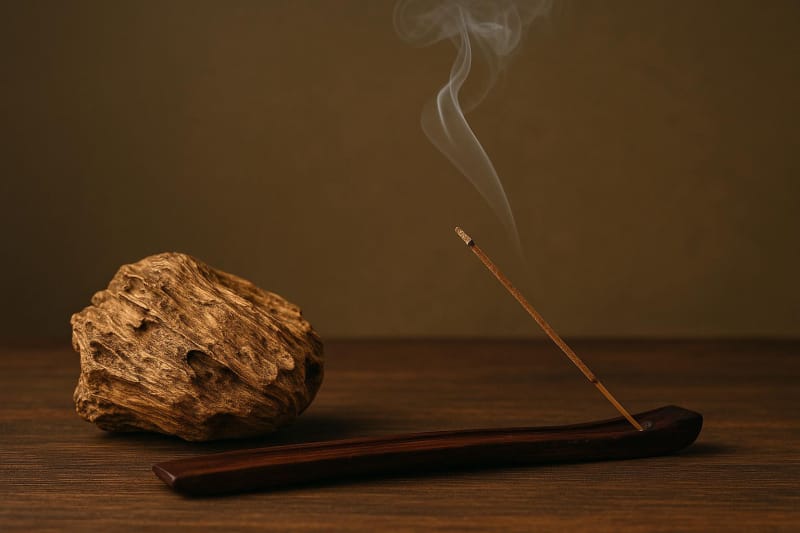
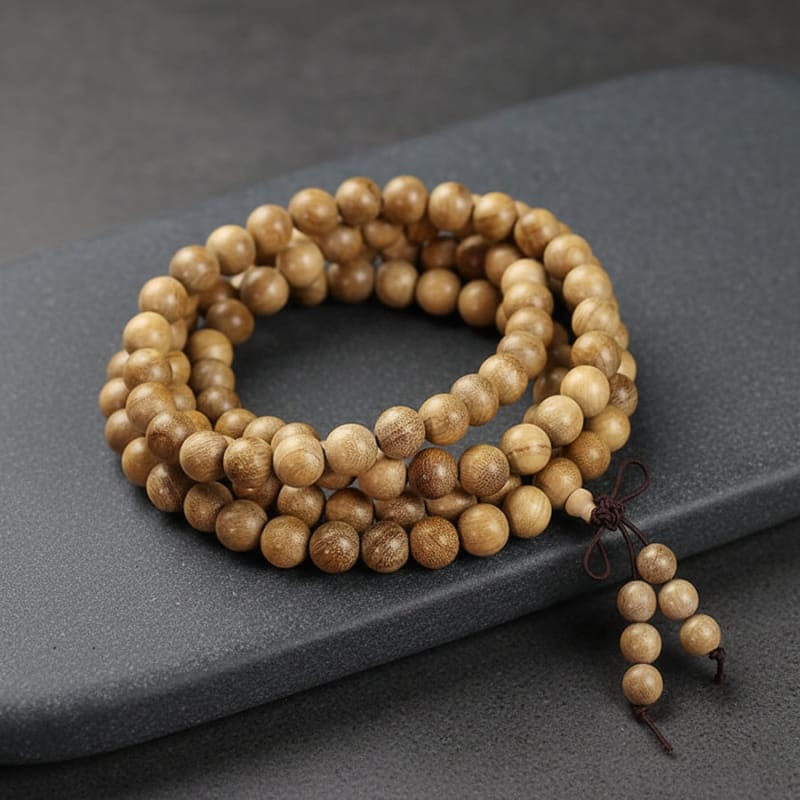
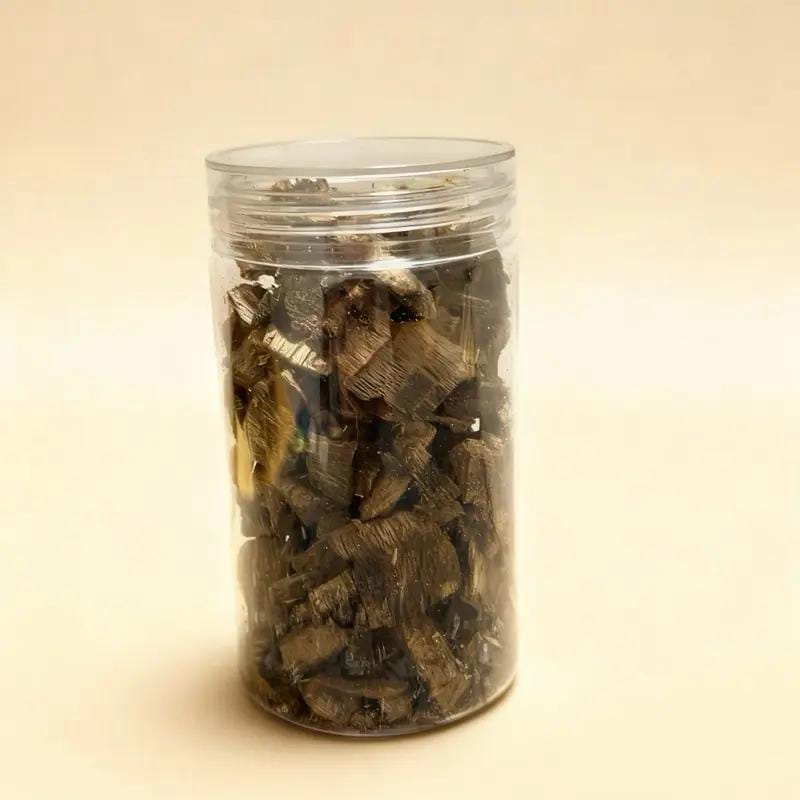
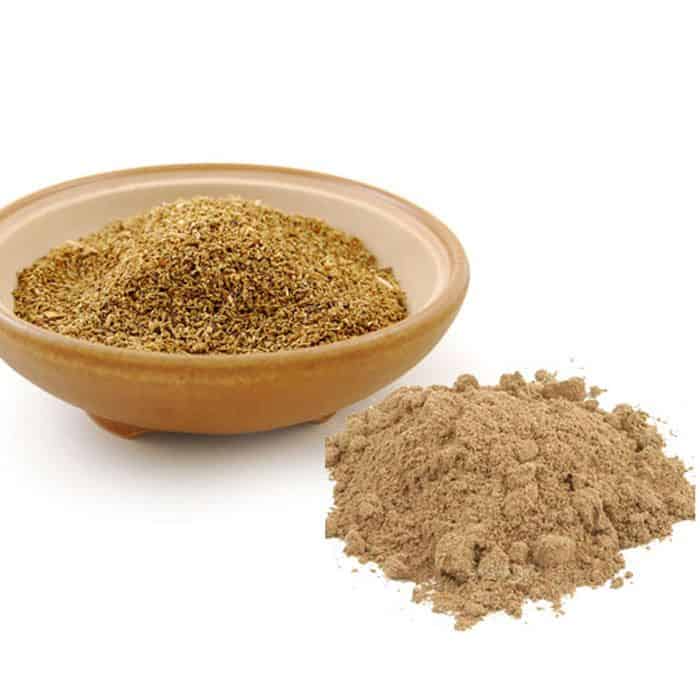
One tree feeds many product lines. Whole chips and blocks are graded by resin content and sink rate; powder is milled for incense blending; oil is pulled from the wood by steam distillation, sometimes taking weeks to coax out a single flask. In between sit the forms the retail market actually buys: incense sticks, cones, beads and carvings.
Smell the difference between a fresh-cut chip and its oil and you will notice the wood carries the earthy, mineral side while the oil turns sweet and almost honeyed. Brewed as a light infusion, agarwood lends a faint, tea-like bitterness that traditional wellness lines in China and Southeast Asia have used for generations, a flavor that makes sense once you realize the resin is the tree's own medicine.
Yulin Fuda: Where the Trade Meets the World
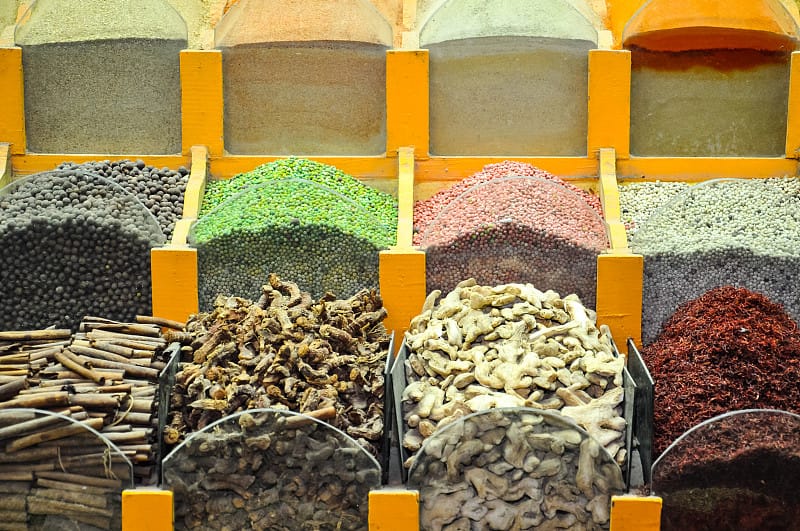
Agarwood moves through the same artery as every other spice in this catalog: Yulin Fuda International Spice Logistics Port. The hub hosts more than 160 spice varieties and over 700 merchants, closed 2025 with RMB 33.5 billion in transactions, and state media puts its reach at about 80 percent of domestically traded spices and more than two-thirds of the world's circulating spice volume.
That concentration is the practical advantage. A single desk at Fuda can compare agarwood lots from Guangdong and Hainan, cross-check grades against market prices, and assemble a mixed container of chips, powder and incense in one consolidation, which is exactly how we keep landed cost down for repeat buyers.
Formats, Grades and CITES Documentation
We supply agarwood in the formats your program needs: whole chips and blocks graded by resin content, milled powder, distilled oil, incense sticks and pre-formed cones. Each lot is packed against a written spec with a certificate of analysis, and because agarwood sits on CITES Appendix II, we handle the permit chain for cultivated material as part of the export file.
Ask us for the three numbers that matter in this category: resin content, specific gravity and the plantation origin. On every shipment we keep the documentation trail that turns a legal, cultivated lot into a customs-clearable export.
Test the Resin Before You Commit
Oud is bought with the nose, and the one mistake we see most in this category is ordering on a photo. Request a sample set with current-season chips, powder, oil and a spec sheet side by side, then burn a chip, wear a drop of the oil and compare against your current source for a week. The resin gap will decide the order faster than any catalog page.
Then send us your target grade, format and port, and spicesmfr handles sourcing, grading, consolidation at Yulin Fuda and export documentation from one desk. For the buyers who want the volume with the paperwork clean, that single point of accountability is the whole pitch.
Request Agarwood Chips, Powder and Oil Samples
Current-season cultivated agarwood with resin analysis, COA and CITES documentation trail, ready for your bench test. Tell us your target grade, format and volume, and we will quote with a landed-cost estimate.
Leave a Comment